Category: Boise and Treasure Valley

Local businesses and founders in Boise, Meridian, Eagle, Nampa and Caldwell.

  • Ste. Chapelle Winery: How Idaho’s Oldest and Largest Winery Revived a Wine Country Lost to Prohibition

    Ste. Chapelle Winery: How Idaho’s Oldest and Largest Winery Revived a Wine Country Lost to Prohibition

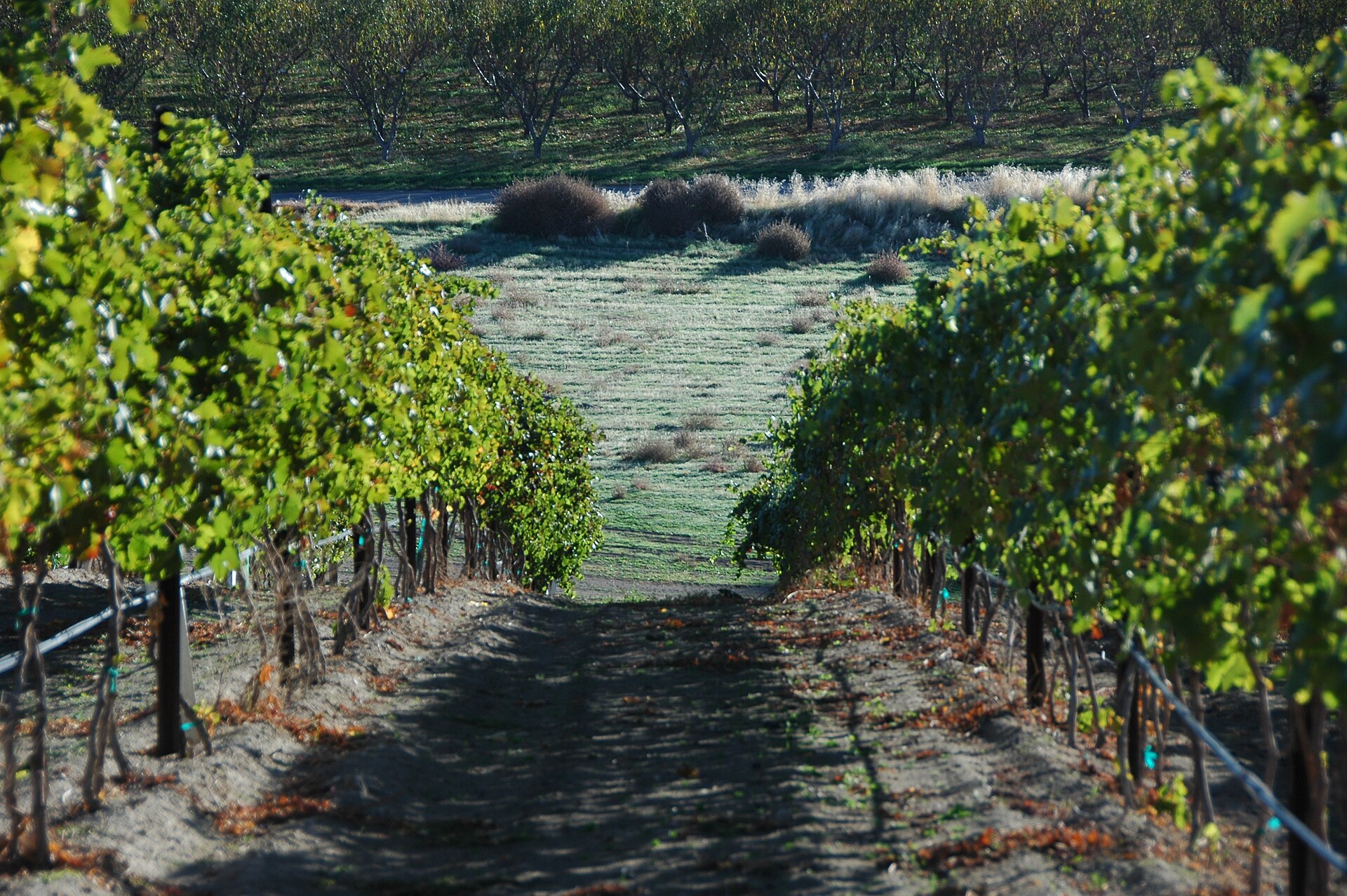
    Drive west of Caldwell to Winery Hill and you can see why people plant grapes here. Below Ste. Chapelle’s chateau, the Sunny Slope area spreads out in orchards, row crops and vineyards, with the Snake River winding through. This is where Idaho’s modern wine industry got its start.

    A Wine Country Before Prohibition

    Idaho was planting wine grapes as early as the 1860s, some of the first vineyards in the Pacific Northwest. Prohibition shut the industry down in 1919, and for decades wine grapes all but disappeared from the state.

    The Symms Family Plants a Seed

    In 1975 the Symms family, longtime southwest Idaho fruit growers, launched Ste. Chapelle in Emmett, about 25 miles northeast of Caldwell, Great Northwest Wine reports. The winery took its name from La Sainte-Chapelle in Paris, the 13th-century royal chapel built by Louis IX, and its chateau on Winery Hill was inspired by it.

    The winery was meant to stay small, but demand grew as the Snake River Valley built its reputation, and Ste. Chapelle quickly outgrew Emmett and moved to its current home west of Caldwell. It became the leading winery in Idaho in both production and sales. In 2012 it joined Precept Wine’s family of Northwest wineries.

    A Hometown Favorite

    Ste. Chapelle is the most visited winery in Idaho and hosts a summer series of open-air concerts on its lawn. Most of the dozens of wineries that have opened in the Snake River Valley since can trace a line back to the industry it helped restart.

    • Go for a summer concert. The lawn events are a Treasure Valley tradition.
    • Book a tasting. The tasting room pours a range of Snake River Valley wines.
    • Make it a wine trail day. The Sunny Slope area has many smaller wineries nearby.

    Explore more Boise and Treasure Valley stories. And if you run a local business with a story worth telling, apply to be featured. It’s always free.

    Visit Ste. Chapelle Winery

    Where: 19348 Lowell Road, Caldwell, on Winery Hill in the Sunny Slope area, Boise and Treasure Valley
    Founded: 1975, in Emmett

    This spotlight draws on Ste. Chapelle’s published heritage, Great Northwest Wine, Wine Folly and KIVI. Hours change, so confirm before you go. Top photo (illustrative): Unknown authorUnknown author or not provided, Public domain, via Wikimedia Commons.
  • Bogus Basin: The Nonprofit Ski Hill Boise Built for Itself in 1942

    Bogus Basin: The Nonprofit Ski Hill Boise Built for Itself in 1942

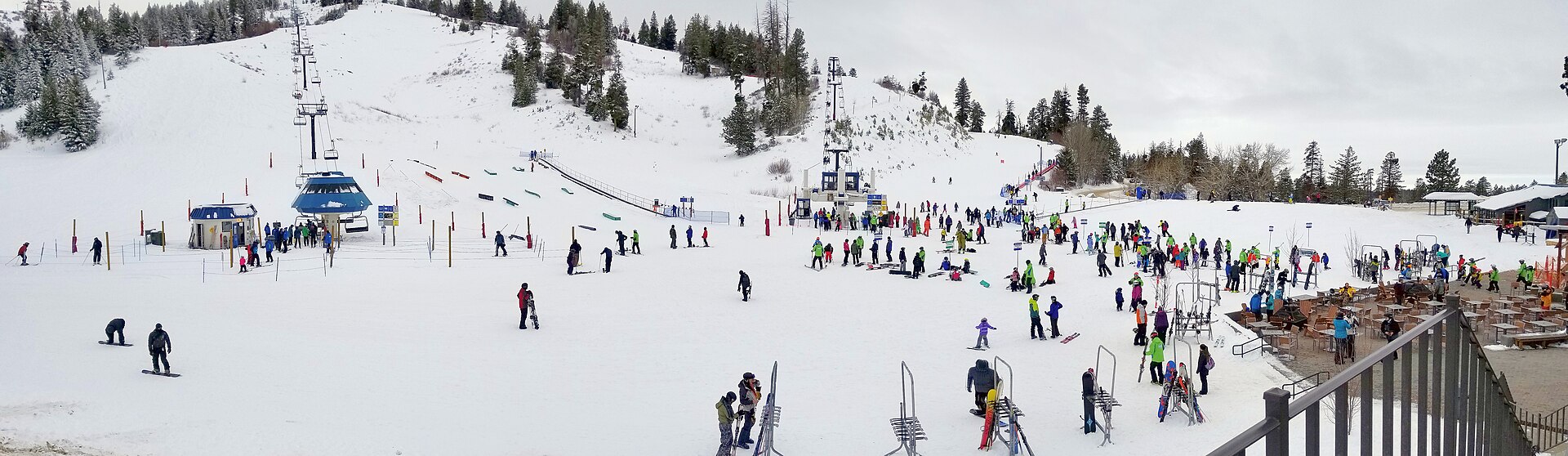
    Most cities with a ski hill this close to downtown would have sold it to a resort company long ago. Boise never did. Bogus Basin, sixteen road miles from the city, has been run as a nonprofit since it opened, and every dollar it makes goes back into the mountain.

    A Name From the Gold Rush

    The basin got its name in the 1860s, when swindlers reportedly used it as a hideout to make fake gold dust. In the late 1930s, inspired partly by the opening of Sun Valley in 1936, Boise skiers started looking for a hill of their own. Alf Engen, the famous ski pioneer, helped pick the site in 1939, working with Boise Ski Club president John Hearne and Forest Service landscape architect Yale Moeller.

    The Civilian Conservation Corps built the Bogus Basin Road in 1938 and 1939, and the nonprofit Bogus Basin Recreational Association was incorporated in 1941. Then came Pearl Harbor, and the opening was put on hold.

    Opening Day in Wartime

    Bogus Basin finally opened on December 20, 1942. About 200 skiers came out that first day, including 50 soldiers from Gowen Field, and many carpooled up the muddy road because of gas rationing, Idaho historian Rick Just writes. The road was not paved until 1962.

    The early years were lean. When the ski area struggled with debt in 1953, J.R. Simplot bought its lifts and improvements and sold them back to the association for one dollar.

    Boise’s Mountain

    Today Bogus Basin offers about 2,600 acres of skiable terrain, night skiing, Nordic trails and summer mountain biking. It is often called the largest nonprofit ski area in the country, and Olympians and Paralympians have called it their home mountain.

    • Ski at night. Bogus is known for its night skiing, a rarity at this scale.
    • Try the Nordic trails. There are miles of groomed cross-country terrain.
    • Come back in summer. Lift-served biking and hiking keep the mountain busy year-round.

    Explore more Boise and Treasure Valley stories. And if you run a local business with a story worth telling, apply to be featured. It’s always free.

    Visit Bogus Basin

    Where: Bogus Basin Road, about 16 miles north of Boise, Boise and Treasure Valley
    Opened: December 20, 1942
    Snow report and tickets: bogusbasin.org

    This spotlight draws on Bogus Basin’s published history, Boise State Public Radio, KTVB, the Living New Deal and Rick Just’s Idaho history writing. Conditions change, so check before you go. Top photo: cifraser1, CC BY 2.0, via Wikimedia Commons.

  • Moon’s Kitchen Cafe: The Boise Diner That Started Behind a Gun and Tackle Shop in 1955

    Moon’s Kitchen Cafe: The Boise Diner That Started Behind a Gun and Tackle Shop in 1955

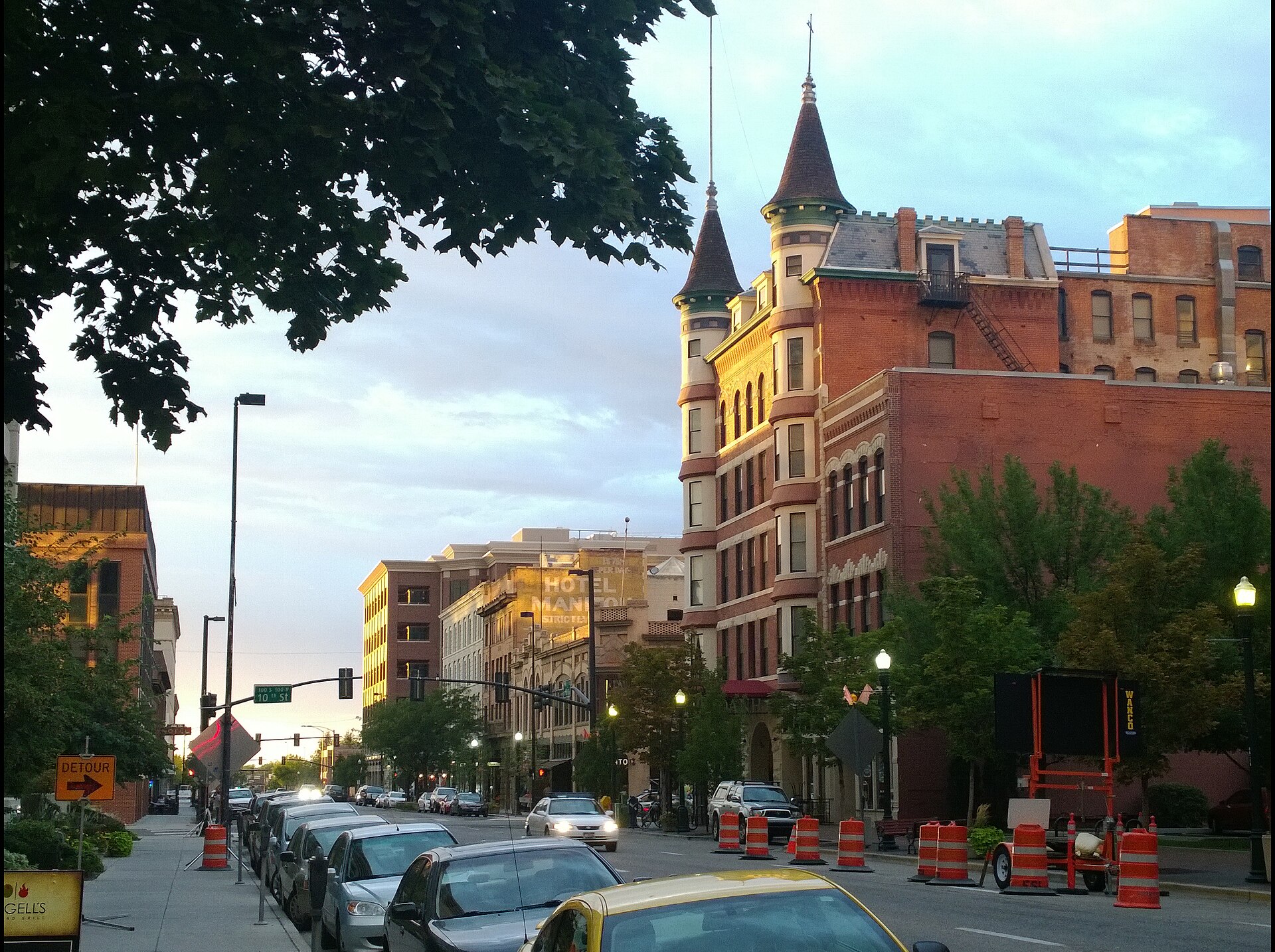
    Ask longtime Boiseans where to get a real milkshake and Moon’s comes up fast. The downtown diner has been serving breakfast, burgers and hand-dipped shakes since 1955, which makes it one of the longest-running diners in Idaho.

    A Lunch Counter in a Sporting Goods Store

    Moon’s began as Moon’s Lunch, a counter in the back of a popular sporting goods store called Moon’s Gun and Tackle Shop. Hunters and anglers came in for gear and stayed for a burger and a shake. The lunch counter outlived the store and became a downtown institution on its own.

    Gary and Shelley Torrey bought Moon’s and built it into a busy breakfast spot with food made from scratch. Gary even invented a kitchen tool, the Hollandaise Hero, for keeping butter warm for hollandaise sauce.

    A Diner That Keeps Moving

    Moon’s was forced to close when the City of Boise deemed its longtime home, the Union Block building, unsafe to occupy. About two months later it reopened on the second floor of the Zions Bank Building at 800 W. Main St., and the regulars followed it upstairs. “Future looks really bright,” KIVI headlined its story on the reopening.

    What to Order

    • A hand-dipped shake. Moon’s is famous for them, with a long list of flavors and spins.
    • Moon babies. The house favorite comes topped with berries or a fruit compote.
    • Breakfast any time. The breakfast menu is the main event, and portions are big.

    Downtown Boise has changed a lot since 1955. Moon’s is proof that a good shake and a friendly counter can survive just about anything, including a move upstairs.

    Explore more Boise and Treasure Valley stories. And if you run a local business with a story worth telling, apply to be featured. It’s always free.

    Visit Moon’s Kitchen Cafe

    Where: 800 W. Main St., Suite 230 (Zions Bank Building), downtown Boise, Boise and Treasure Valley
    Open since: 1955

    This spotlight draws on KIVI, Only In Your State and published coverage of Moon’s Kitchen Cafe. Hours change, so confirm before you go. Top photo (illustrative): Willowcast, CC BY-SA 3.0, via Wikimedia Commons.

  • Bar Gernika: The Basque Pub That Turned a 1912 Laundry Into the Heart of Boise’s Basque Block

    Bar Gernika: The Basque Pub That Turned a 1912 Laundry Into the Heart of Boise’s Basque Block

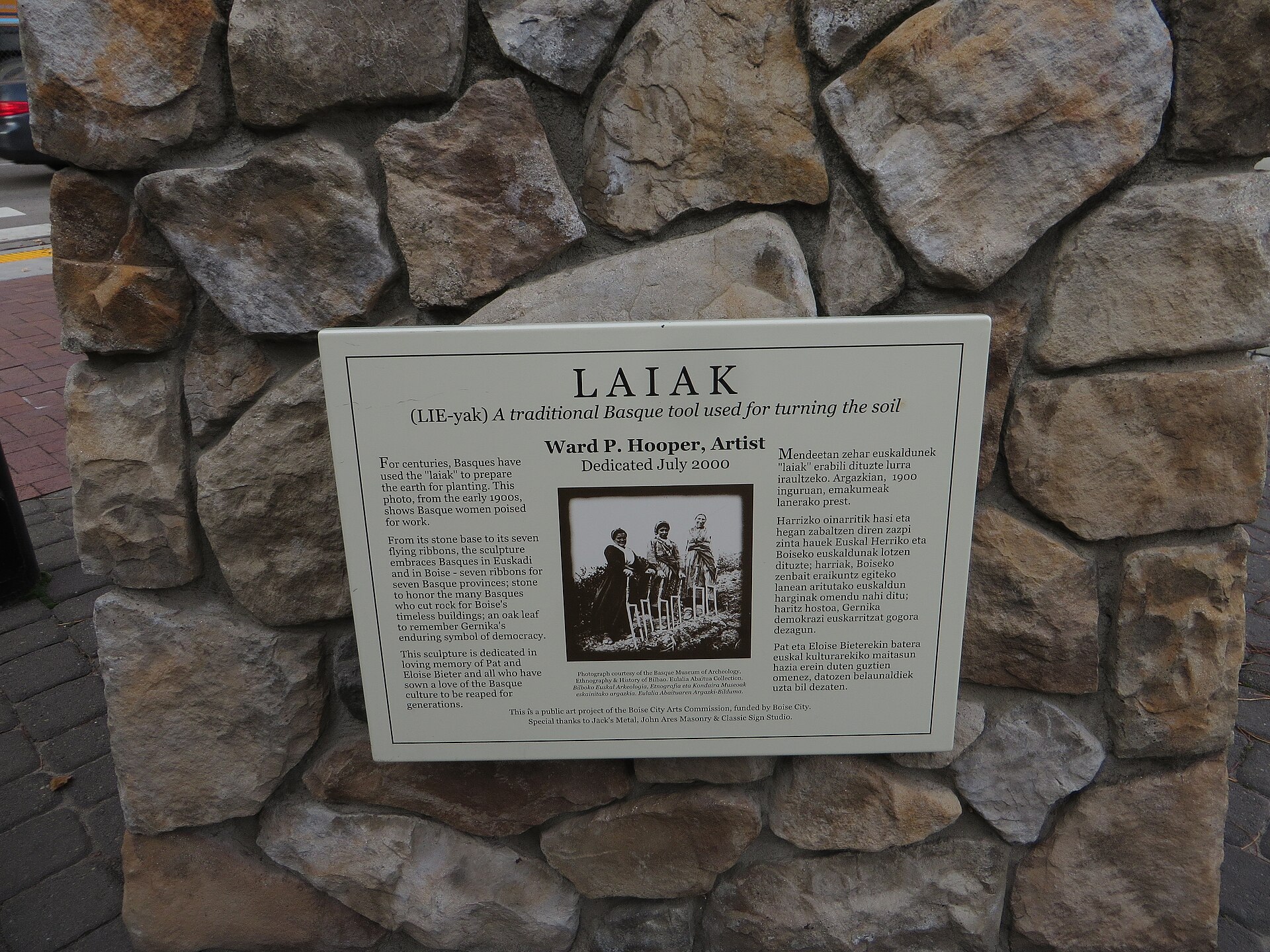
    Boise has one of the largest Basque communities outside Europe, and the Basque Block on Grove Street is where you feel it most. On one corner sits Bar Gernika, a small pub with croquetas, chorizo and a famous solomo sandwich. Since 1991 it has been one of the anchors of the block.

    A Boise Kid With Basque Roots

    Dan Ansotegui was born in Boise. Both sets of his grandparents came from the Basque Country, from Ibarrangelu and Algorta, according to Euskal Kultura. His grandfather David Inchausti once tended bar in Hailey, Idaho. Trips to the Basque Country gave Ansotegui the idea for a pub like the ones he had fallen for there, where people meet family and friends and take their time over a meal.

    From Chinese Laundry to Basque Pub

    The building at Capitol Boulevard and Grove Street went up after 1912 as the Quong Chong Laundry, in what was then Boise’s Chinatown. Over the decades it was also a newspaper substation and the Cub Tavern. The Basque Museum and Cultural Center acquired it in 1990 and leased it to Ansotegui. His first pitch was a pub called The Shepherd’s Son, but he settled on Bar Gernika, after Boise’s sister city in Bizkaia.

    Father Pat Russell blessed the building on June 16, 1991, and Bar Gernika opened to the public on June 19, the Basque Museum recounts. It was named Best Bar in Boise in 1998 and 1999.

    Passing the Torch

    Ansotegui opened the Basque Market across the street in 2001, and in 2008 he passed Bar Gernika to longtime employee Jeff May. Ansotegui now runs Ansots, a Basque restaurant on the same block, with his wife Tamara and daughter Ellie.

    • Order the solomo. The marinated pork loin sandwich is the house classic.
    • Try croquetas. They are a staple across the Basque Block.
    • Make a day of it. The Basque Museum and Cultural Center is next door.

    Bar Gernika started as one man’s homage to the pubs of his grandparents’ homeland. Thirty-plus years later, it is a big part of why Boise’s Basque Block is a place people go, not just pass through.

    Explore more Boise and Treasure Valley stories. And if you run a local business with a story worth telling, apply to be featured. It’s always free.

    Visit Bar Gernika

    Where: 202 S. Capitol Blvd., on the Basque Block in downtown Boise, Boise and Treasure Valley
    Open since: June 1991

    This spotlight draws on the Basque Museum and Cultural Center, Euskal Kultura, Boise State University and Sun Valley Magazine. Hours change, so confirm before you go. Top photo: Ken Lund, CC BY-SA 2.0, via Wikimedia Commons.

  • Westside Drive-In: How Chef Lou Aaron Turned a 1957 Boise Drive-In Into the Home of the Idaho Ice Cream Potato

    Westside Drive-In: How Chef Lou Aaron Turned a 1957 Boise Drive-In Into the Home of the Idaho Ice Cream Potato

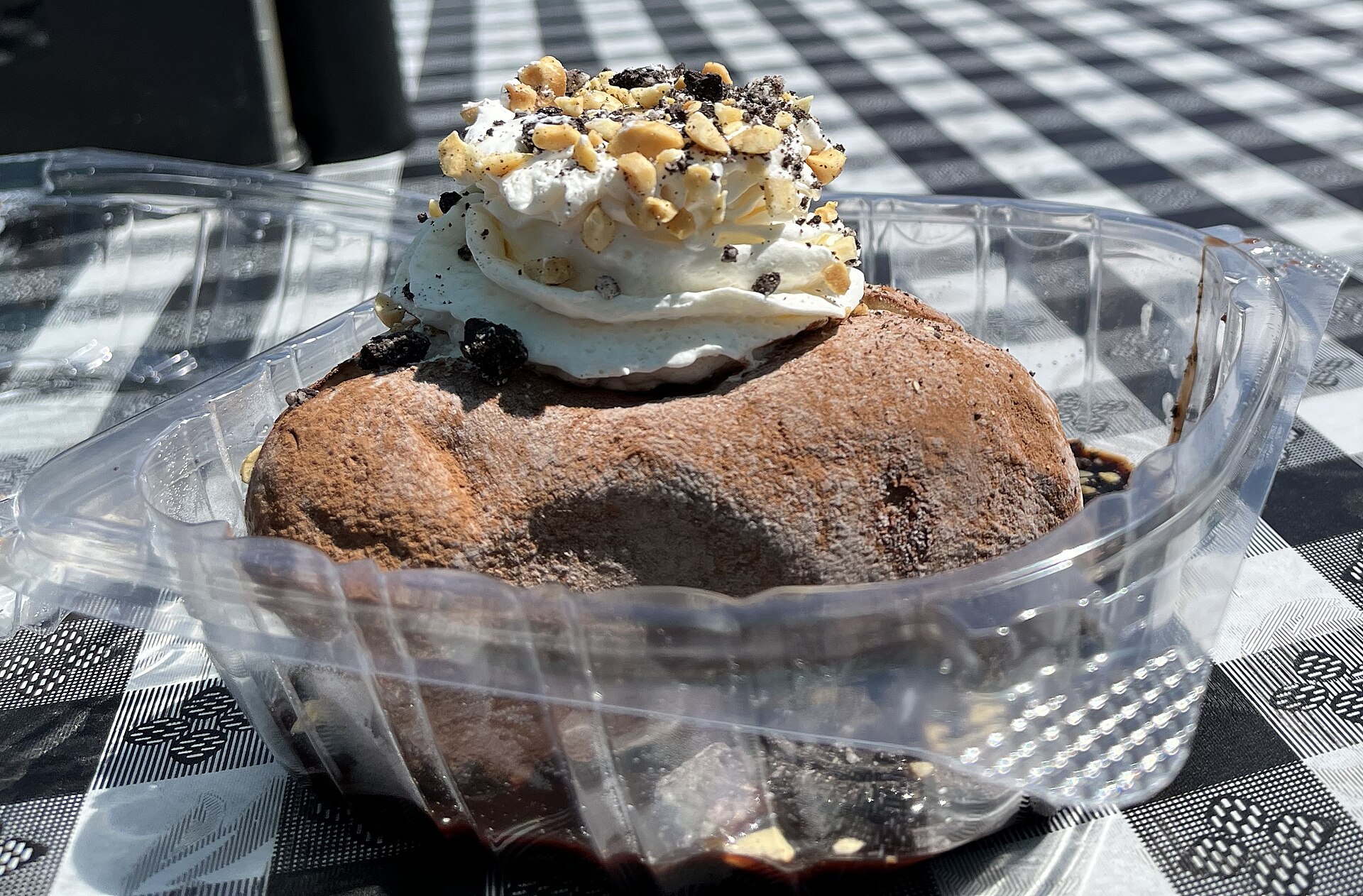
    From across the table it looks like a loaded baked potato, complete with sour cream and green onions. Then you take a bite and get vanilla ice cream, cocoa and whipped cream. The Idaho Ice Cream Potato is a Boise original, and its home is the Westside Drive-In on State Street.

    A North End Kid Comes Home

    The Westside opened in 1957 under Ralph Caskey, according to the Idaho Architecture Project. Lou Aaron grew up about six blocks away and came to the drive-in as a kid. After almost two decades working in restaurants around the country, including as a chef at upscale kitchens, he came back and bought it in 1994 with partner Ron Isaacs.

    Aaron, known to most of Boise simply as Chef Lou, kept the classic drive-in menu of burgers, fries and shakes and added chef-driven specials. Regulars come for the prime rib and the Monte Cristo as much as for dessert.

    The Dessert That Contains No Potato

    Aaron has said the idea goes back to a dessert served at Boise’s long-gone Gamekeeper restaurant, created for a governor’s banquet. He reworked it into his own version: ice cream shaped like a russet, dusted in cocoa and topped with whipped cream “sour cream” and green-tinted “chives.” Westside sells well over a thousand a month, and many more at the Western Idaho Fair, according to published reports.

    National attention followed. Guy Fieri featured the Westside on Diners, Drive-Ins and Dives in 2009, and the ice cream potato appeared on a Boise episode of Man v. Food in 2018. In 2012 Aaron opened a second Westside on Parkcenter Boulevard in Southeast Boise, now run by his son Josh.

    • Order the ice cream potato. It is the reason many visitors come, and it photographs as well as it tastes.
    • Check the specials board. Chef Lou’s daily specials go well beyond drive-in fare.
    • Catch it at the fair. The Western Idaho Fair booth is a late-summer tradition.

    Plenty of 1950s drive-ins have been torn down. This one found a chef who grew up eating there and gave it a second life.

    Explore more Boise and Treasure Valley stories. And if you run a local business with a story worth telling, apply to be featured. It’s always free.

    Visit Westside Drive-In

    Where: 1929 W. State St. in Boise’s North End, plus a second location at 1113 E. Parkcenter Blvd., Boise and Treasure Valley
    Open since: 1957 (Chef Lou since 1994)

    This spotlight draws on the Idaho Architecture Project, KIVI, KTVB, Banner Bank and published coverage of the Ice Cream Potato. Hours change, so confirm before you go. Top photo: LittleT889, CC BY-SA 4.0, via Wikimedia Commons.

  • Idaho Candy Company: The Boise Factory That Has Made the Idaho Spud Bar Since 1918

    Idaho Candy Company: The Boise Factory That Has Made the Idaho Spud Bar Since 1918

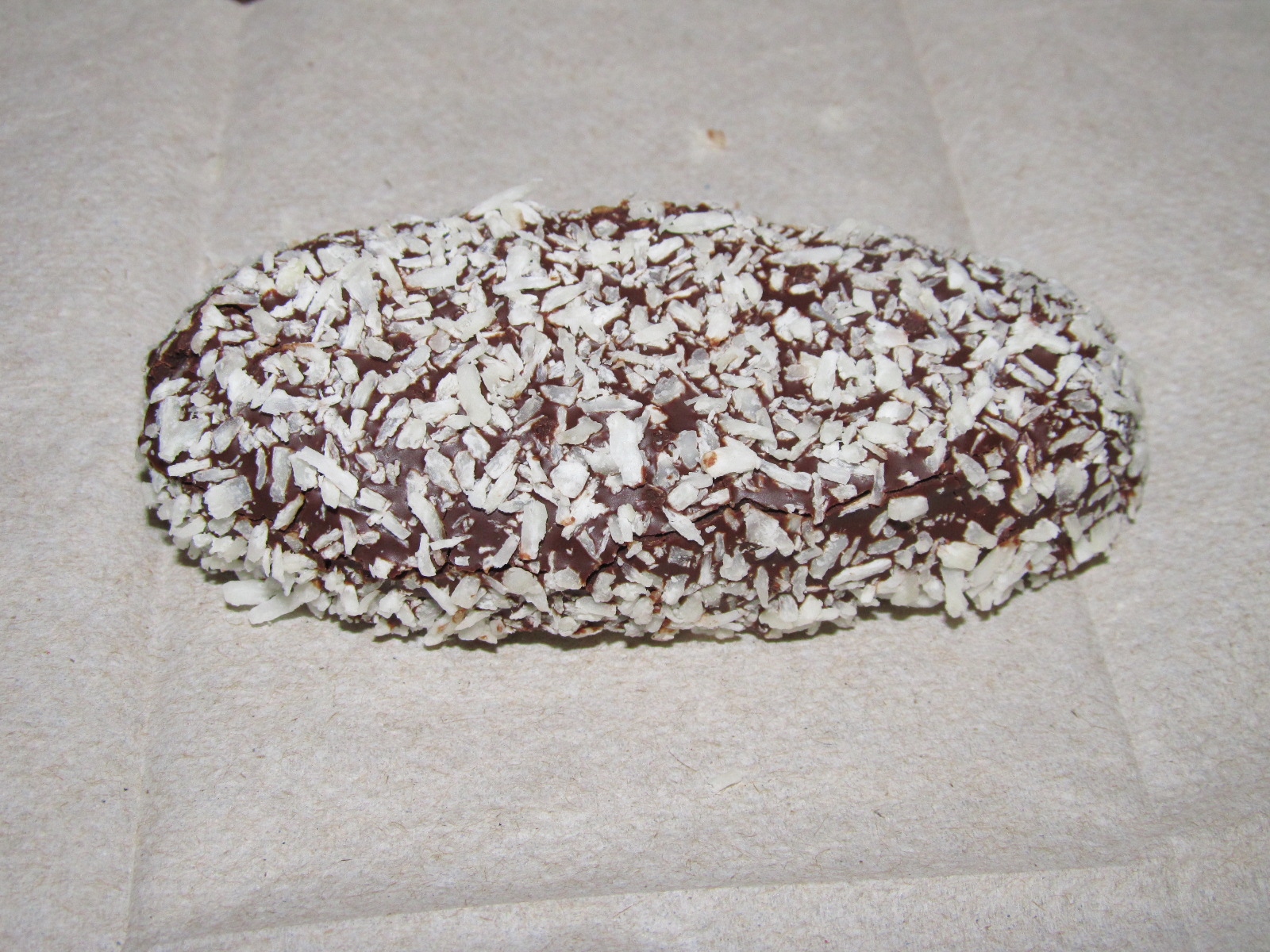
    There is no potato in an Idaho Spud. The candy bar is a cocoa-flavored marshmallow center coated in chocolate and rolled in coconut, shaped to look like a russet. It has been made in Boise since 1918, and it is still the candy most Idahoans pick when they want to send a little piece of home to someone who moved away.

    A Candy Maker Who Came to Build a Hotel

    Thomas Ovard “T.O.” Smith was a journeyman candy maker who had worked in Chicago and Salt Lake City before coming to Idaho to help build the Dewey Palace Hotel in Nampa, according to the company. When the job ended, he stayed. In 1901 he started making candy at home and selling it door to door out of shoe boxes.

    It caught on quickly. Soon he had seventeen candy makers working in a small frame shop near 8th and Fort streets. In 1909 Smith teamed up with investors, including the Adams family, to build a modern factory at 412 South 8th Street. The company says the building is still in use, along with some of the equipment from the early 1900s.

    The Spud, Old Faithful and Cherry Cocktail

    Smith turned out dozens of candies over the years. Three of his bars are still in production: the Idaho Spud (1918), the Old Faithful bar (1925) and the Cherry Cocktail bar (1925), according to a City of Boise history marker in Julia Davis Park. The company also makes Huckleberry Gems and Owyhee Butter Toffee.

    The Spud’s slogan, printed right on the wrapper, is “The Candy Bar That Makes Idaho Famous.” Fans debate whether it is better at room temperature or straight from the freezer.

    New Owners, Same Building

    John Wagers bought the company in 1984, and his family ran it for decades. Since July 2025 the company has been owned by Paul and Megan Sturdivant, and it now describes itself as veteran owned. The factory downtown still turns out candy on equipment that has been working for more than a century.

    • Stop by the factory store. The 8th Street building is a short walk from downtown Boise.
    • Try the whole lineup. Old Faithful and Cherry Cocktail are harder to find outside Idaho than the Spud.
    • Ship a taste of home. Boxes of Spud bars are a popular gift for Idahoans who live out of state.

    Plenty of regional candy bars have disappeared over the last century. The Idaho Spud is still here, still made downtown, and still shaped like a potato.

    Explore more Boise and Treasure Valley stories. And if you run a local business with a story worth telling, apply to be featured. It’s always free.

    Visit Idaho Candy Company

    Where: 412 S. 8th St., downtown Boise, Boise and Treasure Valley
    Founded: 1901 (factory built 1909)
    Shop online: idahospud.com

    This spotlight draws on the Idaho Candy Company’s published history, the City of Boise, KTVB and MyNorthwest. Hours change, so confirm before you go. Top photo: Willis Lam, CC BY-SA 2.0, via Wikimedia Commons.