Category: Founder Stories

Interviews with the people behind Idaho’s local businesses, in their own words.

  • Cloverleaf Creamery: A Buhl Dairy Family Revived a 70-Year-Old Creamery and Put Milk Back in Glass Bottles

    Cloverleaf Creamery: A Buhl Dairy Family Revived a 70-Year-Old Creamery and Put Milk Back in Glass Bottles

    A block south of Buhl’s town square, there is a creamery where milk still comes in returnable glass bottles and every batch of ice cream is made by hand on the other side of the wall. Cloverleaf Creamery is a farm-to-bottle dairy, and it carries on a building that has made dairy products for generations.

    From Pennsylvania to the Magic Valley

    Bill Stoltzfus was born and raised on a dairy farm. He and his wife Donna left southeastern Pennsylvania, where development was swallowing farmland, and have been farming near Buhl since 1973, Capital Press reported. They raised a registered herd of Holsteins on 40 acres south of town.

    Buying the Old Smith’s Dairy

    For nearly 10 years, the Stoltzfus family supplied milk to Smith’s Dairy in Buhl. In 2007 they bought the creamery building. “This was formerly the Smith’s Dairy,” Bill told Perishable News. “The place had been in the Smith family for 70-some years.” They renamed it Cloverleaf Creamery and began processing their own milk.

    Glass Bottles and Handmade Ice Cream

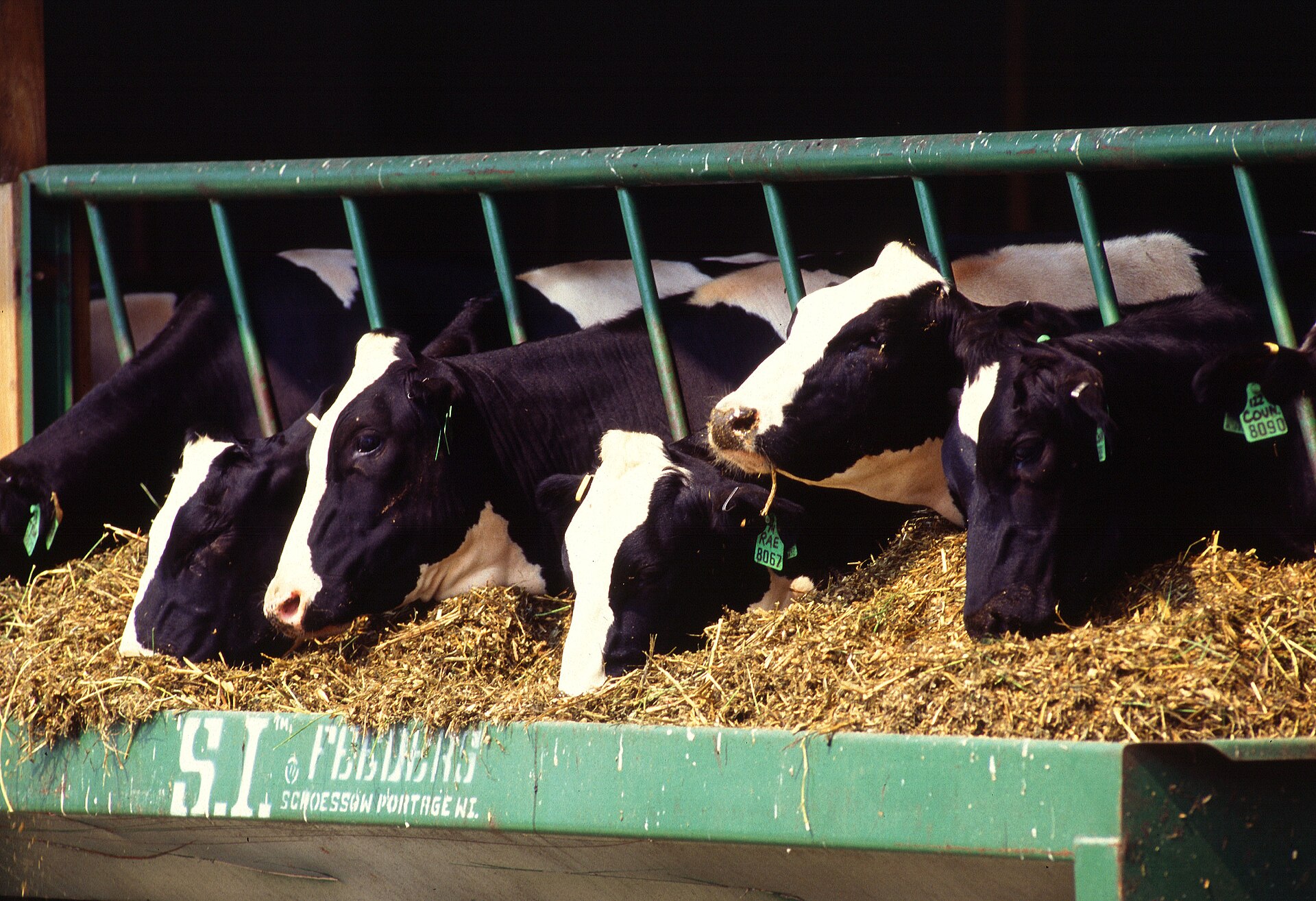
    Cloverleaf’s milk goes into returnable glass bottles printed with an invitation to come see where it comes from, and the family has given many tours of the creamery and farm. The ice cream, in around 16 flavors, has become just as big a draw. “Every single batch is handmade and hand-assembled right here,” co-owner Eric Stoltzfus told KIVI. Cloverleaf now also has a store in Twin Falls and distributes to shops in Boise and Ketchum.

    • Get a scoop in Buhl. The original creamery store is where it is all made.
    • Return your bottles. The deposit system is part of the old-fashioned charm.
    • Try the chocolate milk. Fans call it one of the creamiest around.

    Explore more Magic Valley stories. And if you run a local business with a story worth telling, apply to be featured. It’s always free.

    Visit Cloverleaf Creamery

    Where: Downtown Buhl, a block south of the town square, plus a Twin Falls store, Magic Valley
    Cloverleaf since: 2007 (the creamery building served Smith’s Dairy for about 70 years before)

    This spotlight draws on Capital Press, Perishable News, the Idaho Small Business Development Center, KIVI and Visit Southern Idaho. Hours change, so confirm before you go. Top photo (illustrative): Ian Poellet, CC BY-SA 3.0, via Wikimedia Commons.
  • Jeri’s Jumbos Cafe: Three Generations of Big Portions in Pocatello Since 1966

    Jeri’s Jumbos Cafe: Three Generations of Big Portions in Pocatello Since 1966

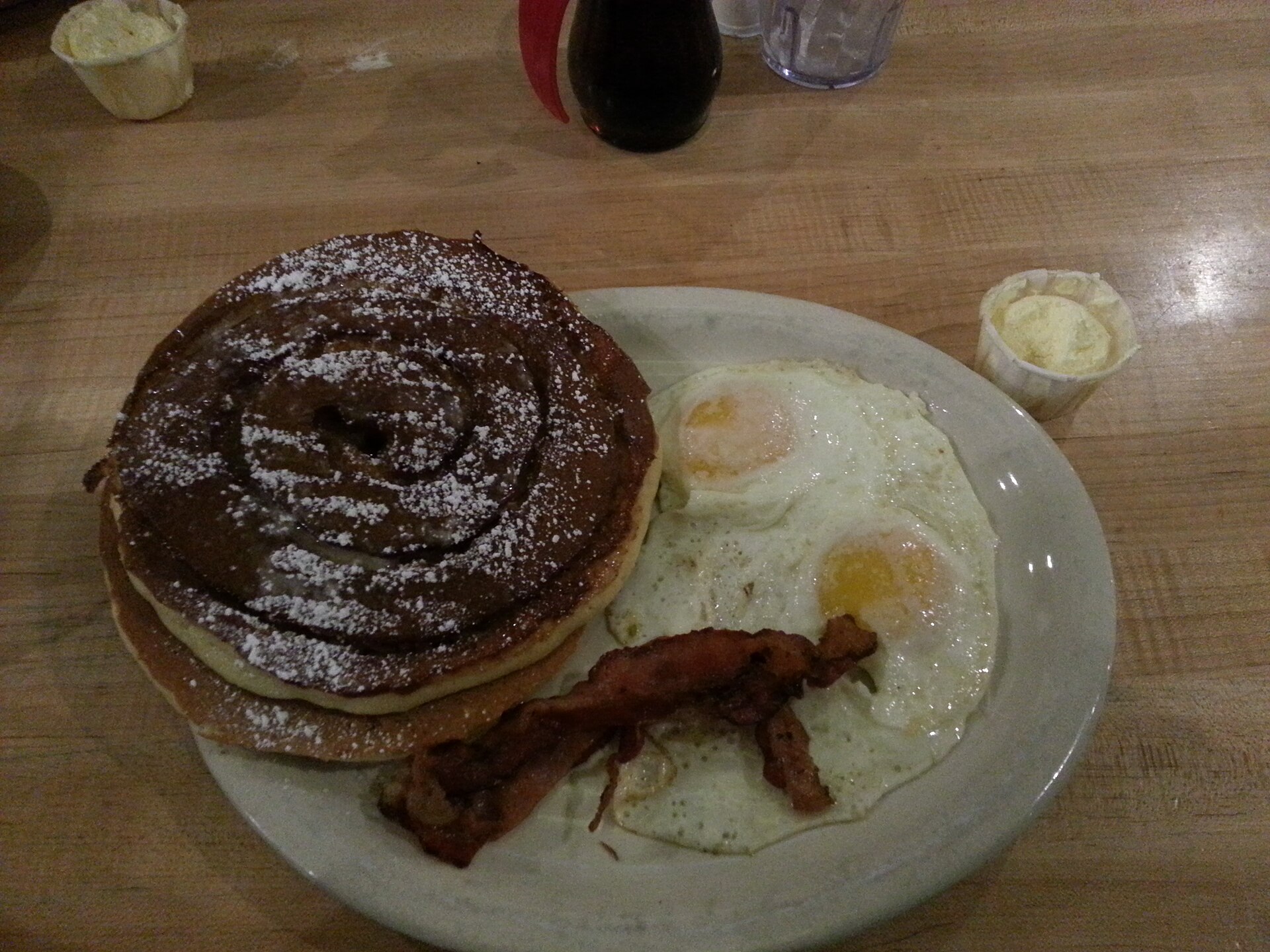
    The name says a lot. For nearly six decades, Jeri’s Jumbos Cafe has been known in Pocatello for one thing above all: big, hearty portions. It is also the Gate City’s longest continuously family-owned restaurant.

    George and Jeri Make It Theirs

    In 1966 George and Jeri Pieper acquired a restaurant called Jumbo’s Cafe and turned it into Jeri’s Jumbos Cafe, East Idaho News reports. The cafe became a breakfast and lunch standby for Pocatello families, workers and travelers.

    Passing It Down

    One of George and Jeri’s children, Lisa, and her husband, Willis, later took over the restaurant. Their daughter, Heidi Hunsaker, managed the business for about nine years before buying it herself in 2024. That makes three generations of the same family behind the counter.

    Growing Without Changing

    Hunsaker has expanded carefully. Jeri’s Jumbos runs the concessions inside the Ross Park Aquatic Complex and has launched a food truck, Jumbo’s Xpress Cafe, on South 5th Avenue. The truck serves a condensed menu that mixes old favorites with new dishes. “The sky’s the limit,” Hunsaker told East Idaho News.

    What to Order

    • The Traveler’s Sandwich. Two hard-cooked eggs, bacon and cheddar on homemade bread, made to go.
    • Chicken fried steak. A diner staple at the Pole Line Road cafe.
    • Loaded fries. A newer favorite at the food truck and Ross Park.

    The menu has grown and the locations have multiplied, but the idea George and Jeri started with in 1966 has not changed: nobody leaves Jumbos hungry.

    Explore more Southeast Idaho stories. And if you run a local business with a story worth telling, apply to be featured. It’s always free.

    Visit Jeri’s Jumbos Cafe

    Where: 3122 Pole Line Road, Pocatello, plus the Jumbo’s Xpress Cafe food truck at 4539 S. 5th Ave., Southeast Idaho
    In the family since: 1966

    This spotlight draws on East Idaho News and the Diner Hunter. Hours change, so confirm before you go. Top photo (illustrative): User:WikiTryHardDieHard, CC BY-SA 3.0, via Wikimedia Commons.
  • Grand Teton Brewing: The Brothers Who Brought Back the Growler and Brewed Their Way From Wyoming to Victor, Idaho

    Grand Teton Brewing: The Brothers Who Brought Back the Growler and Brewed Their Way From Wyoming to Victor, Idaho

    Every time a brewery fills a 64-ounce glass growler, it owes a small debt to a brewery that now sits at the base of Teton Pass in Victor, Idaho. Grand Teton Brewing is credited with bringing the growler back after Prohibition, and it has been brewing in the Tetons since 1988.

    Wyoming’s First Modern Microbrewery

    Brothers Charlie and Ernie Otto, of German-Austrian descent, wanted fresh, local, full-flavored beer at a time when that was hard to find in the Rockies. In 1988 they built a small brewhouse in Wilson, Wyoming, and secured the state’s first malt beverage manufacturer’s permit in 35 years. Their Otto Brothers’ Brewing Company was Wyoming’s first modern microbrewery, and its amber Teton Ale went out to local taps in 1989.

    Reinventing the Growler

    With no bottling line, the brothers needed a way to send beer home with customers. Their father told them about the growler, an old lidded pail once used to carry beer home from the tavern. In 1989 Charlie Otto reintroduced the idea as a 64-ounce glass jug, CraftBeer.com recounts. Growlers are now sold at breweries across the country.

    Charlie also spent three years organizing to change Wyoming law so breweries could run pubs, and in 1992 the brothers opened the state’s first brewpub.

    Moving to Idaho

    In 2000 the company changed its name to Grand Teton Brewing and moved its brewery across the state line to Victor, where it could draw on Teton spring water. Ernie Otto died in 2008, and in 2009 Steve and Ellen Furbacher bought the brewery. Its Ale 208 Session Ale is brewed with Idaho barley, Idaho hops and Idaho spring water, a nod to the state’s area code.

    • Fill a growler. It is only fitting at the brewery that brought it back.
    • Try Ale 208. It is brewed to be Idaho’s session ale.
    • Make it a Teton Valley day. Victor and Driggs are full of local shops and trailheads.

    Explore more Eastern Idaho stories. And if you run a local business with a story worth telling, apply to be featured. It’s always free.

    Visit Grand Teton Brewing

    Where: Victor, at the base of Teton Pass in Teton Valley, Eastern Idaho
    Founded: 1988, as Otto Brothers’ Brewing in Wilson, Wyoming
    Taproom hours: grandtetonbrewing.com

    This spotlight draws on Grand Teton Brewing’s published history, Beer Advocate, Explore Big Sky, CraftBeer.com, the Idaho Department of Commerce and Hope College. Hours change, so confirm before you go. Top photo (illustrative): Idahomiller, CC BY-SA 3.0, via Wikimedia Commons.
  • Reed’s Dairy: An Idaho Falls Milk Route From 1955 That Grew Into Idaho’s Favorite Ice Cream

    Reed’s Dairy: An Idaho Falls Milk Route From 1955 That Grew Into Idaho’s Favorite Ice Cream

    In Idaho Falls, a trip to Reed’s Dairy is a summer ritual. Families line up for scoops of rich, small-batch ice cream, and the chocolate milk has a following of its own. It all started with a few cows and a shoebox.

    Milk on the Honor System

    Brothers Larry, LeRoy and Dave Reed started the dairy in 1955. Larry ran the milk business while LeRoy and Dave managed the farming. Early customers paid about 50 cents a gallon on the honor system, dropping their money in a shoebox above the dairy refrigerator, according to a 2023 interview with Alan Reed. In 1962 the family installed its own processing and bottling equipment and opened a store on the farm.

    Ice Cream Grandma Would Like

    The Reeds had been selling their cream to another local ice cream maker. LeRoy’s son Alan kept thinking that was a missed opportunity. “I just kept thinking we need to be making ice cream,” he told KIVI. His grandmother had always made ice cream for family parties, and his goal, he said, was “to make something that grandma would really like.”

    After months of taste tests with family members, Reed’s started making its own ice cream in the early 1980s. It became the company’s most popular product.

    Still Delivering Milk

    Reed’s now has stores in Idaho Falls and Boise, ships ice cream across the country and still runs home milk delivery, the way it started. The business survived a 2024 fire that destroyed a production building and has since rebuilt. Alan Reed, who turned 70 in 2025, runs it with his son Sam, the next generation of the family business.

    • Order a scoop at the source. The Idaho Falls stores serve ice cream made on site.
    • Try the chocolate milk. It has a cult following across eastern Idaho.
    • Look for holiday nog. Eggnog and chocolate nog show up seasonally.

    Explore more Eastern Idaho stories. And if you run a local business with a story worth telling, apply to be featured. It’s always free.

    Visit Reed’s Dairy

    Where: Stores in Idaho Falls and Boise, Eastern Idaho
    Founded: 1955
    Locations and shipping: reedsdairy.com

    This spotlight draws on KIVI, East Idaho News, Idaho Falls Magazine, Capital Press, Saveur and an interview with Alan Reed. Hours change, so confirm before you go. Top photo (illustrative): Unknown, Public domain, via Wikimedia Commons.

  • Silverwood: How a Spokane Software Founder, an Old Airfield and a 1915 Steam Train Became Idaho’s Biggest Theme Park

    Silverwood: How a Spokane Software Founder, an Old Airfield and a 1915 Steam Train Became Idaho’s Biggest Theme Park

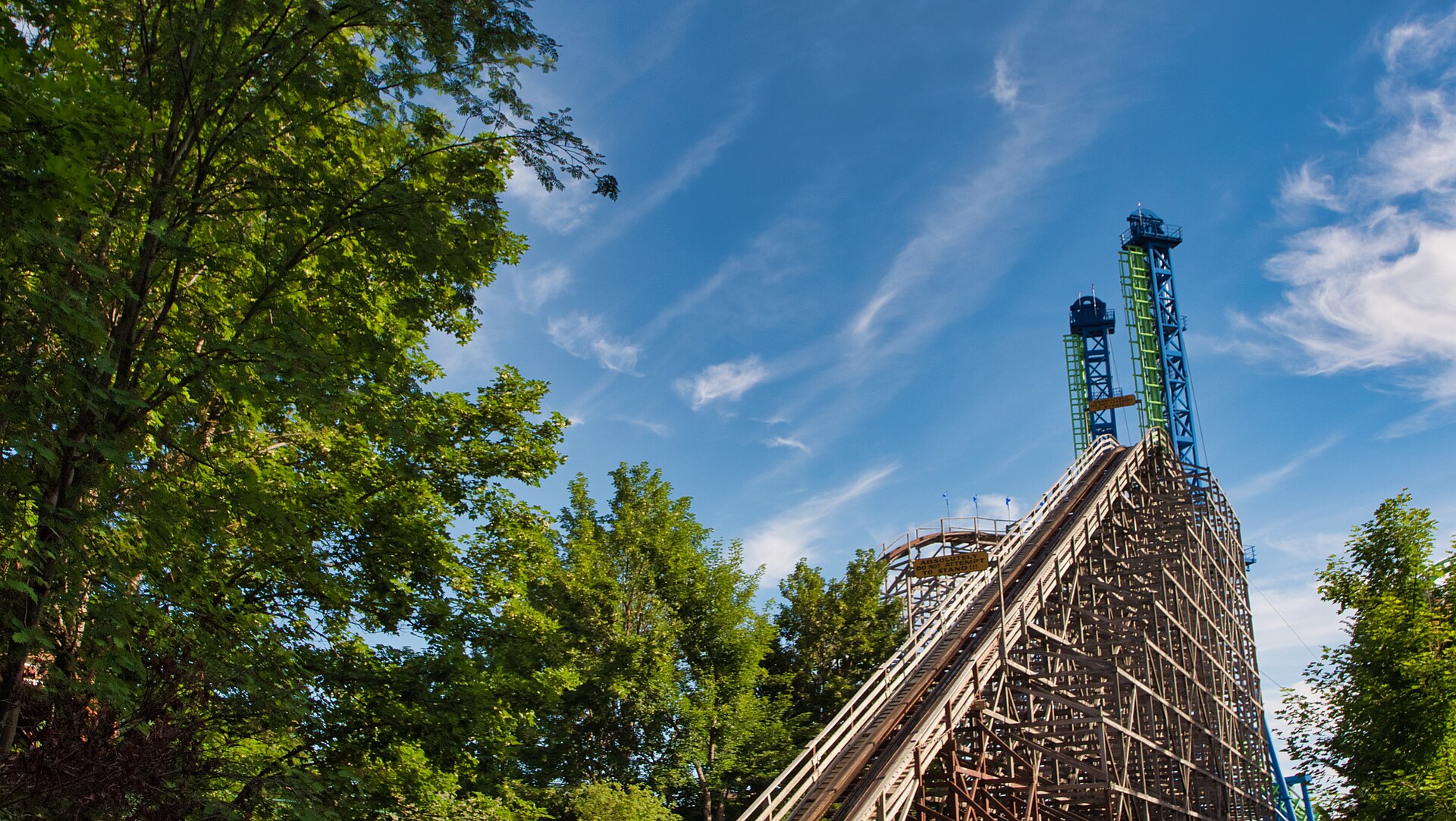
    By most business logic, North Idaho was the wrong place for a theme park. “The original plan was doomed to fail, really: building a theme park in North Idaho,” founder Gary Norton told The Spokesman-Review. Today Silverwood draws visitors from hundreds of miles away and bills itself as the largest theme and water park in the Northwest.

    An Airfield and an Antique Plane Museum

    The story starts with Clay Henley, who founded the Henley Aerodrome, a private airport and antique plane museum south of Athol, in 1973. Gary Norton, a pilot and plane collector, was drawn to it. After Henley’s death, Norton bought the airfield in 1981.

    Norton had made his money in software. He founded International Systems Corp. in Spokane, which built computer systems for banks, and he used proceeds from selling it to develop the property.

    The Train That Disney Wanted

    At an auction in Reno in 1986, Norton found a Porter steam locomotive built in 1915. He won it in a bidding war with a representative from Disney, then laid more than three miles of track around the property. A train needs a town to run through, so he built a Victorian-style Main Street, too.

    Silverwood opened on June 20, 1988, with the train, pony rides, puppet shows, a movie theater, Norton’s vintage planes and air shows, in which Norton himself sometimes flew loops in a World War II-era P-51 Mustang. About 110,000 people came that first year.

    Still a Family Park

    Roller coasters followed, then the Boulder Beach water park in 2003. The park now covers more than 400 acres with more than 70 rides, slides and shows, and it is the northernmost theme park in the United States. It is still owned by the Norton family, and several of Gary Norton’s children and grandchildren have worked there.

    • Ride the train. Old Engine No. 7 still runs its loop around the park.
    • Pack a swimsuit. The Boulder Beach water park sits right next to the rides.
    • Come back in fall. Silverwood extends its season with a Halloween event.

    Explore more North Idaho stories. And if you run a local business with a story worth telling, apply to be featured. It’s always free.

    Visit Silverwood

    Where: 27843 N. Highway 95, Athol, between Coeur d’Alene and Sandpoint, North Idaho
    Opened: June 20, 1988
    Tickets and season dates: silverwoodthemepark.com

    This spotlight draws on The Spokesman-Review, the Coeur d’Alene Press, the Spokane Journal of Business, IAAPA, Spokane Historical and Silverwood’s own history. Season dates change, so check before you go. Top photo: Jeff Pittman, CC BY-SA 4.0, via Wikimedia Commons.

  • Litehouse Foods: The Blue Cheese Dressing That Started at a Lakeside Restaurant in Hope, Idaho

    Litehouse Foods: The Blue Cheese Dressing That Started at a Lakeside Restaurant in Hope, Idaho

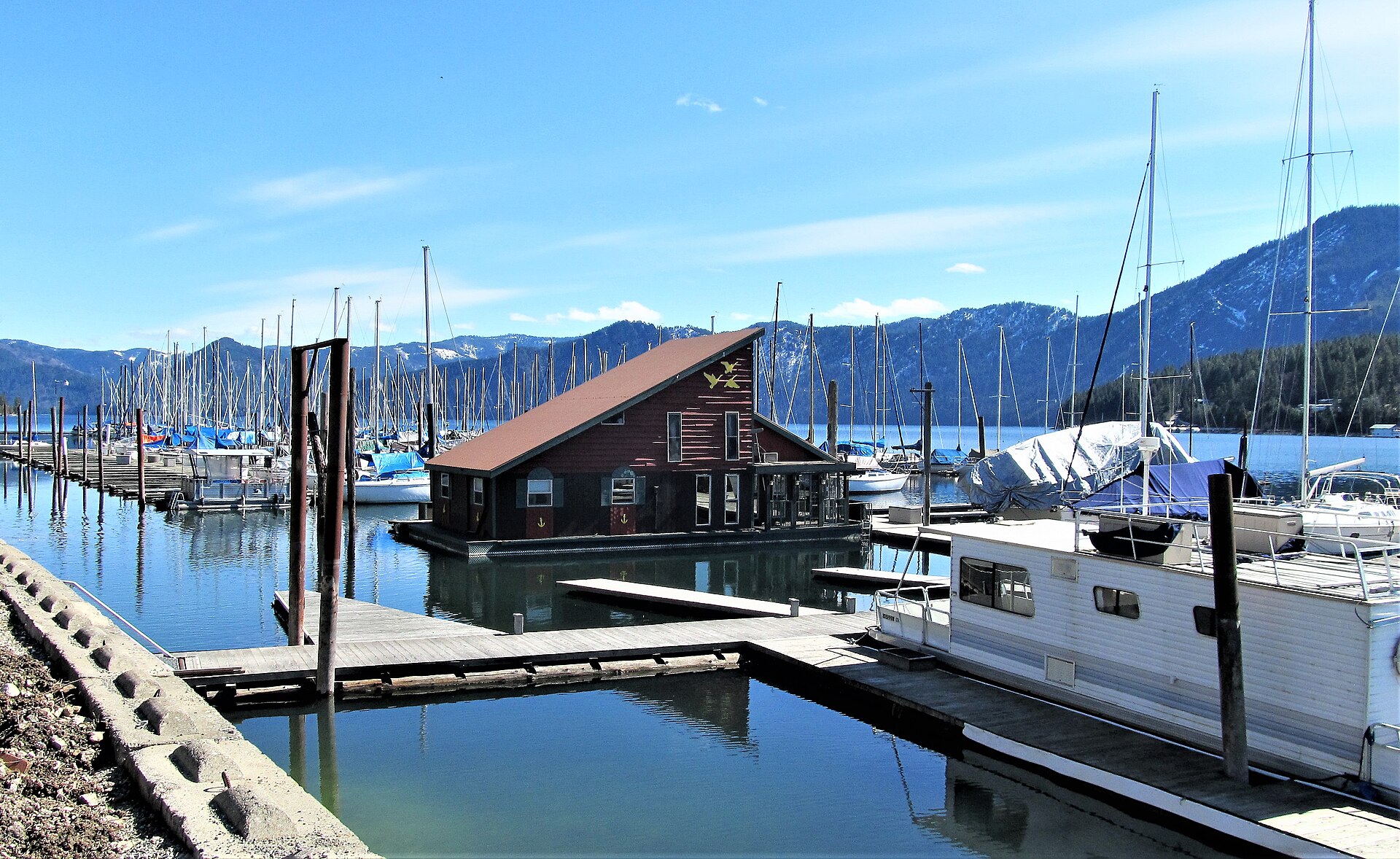
    If you have ever bought a jar of refrigerated blue cheese dressing, there is a good chance it was made in Sandpoint. Litehouse Foods ranks among the biggest names in refrigerated dressing in the country, and its story starts at a small restaurant in Hope, Idaho, a lake town of a couple hundred people.

    A Chef’s Creamier Idea

    After World War II, Edward Hawkins Sr. was cooking in Spokane when he came up with a creamier, chunkier blue cheese dressing made with mayonnaise, spices, crumbled blue cheese and buttermilk. Back then blue cheese dressing was usually thin, closer to a vinaigrette. To his knowledge, the company says, his recipe was the first creamy blue cheese dressing.

    In 1958 Ed and his wife Lorena bought Hurschell’s Lighthouse, a restaurant on the shore of Lake Pend Oreille in Hope, renamed it The Litehouse and served the dressing on every salad.

    Twelve Cases and a Station Wagon

    Customers kept asking to take the dressing home. In 1963, with the family struggling financially, Ed and Lorena scraped together enough to buy 12 cases of jars. They mixed the dressing by hand in soup kettles, and an aunt, Ethel Ashley, designed the label. The first jars went to the produce department of Rogers Thrift in Sandpoint: 89 cents for blue cheese, 79 cents for Thousand Island.

    Staying in Sandpoint

    Ed Sr. died in 1984. His sons, Doug and Edward Jr., had already moved the business to Sandpoint in the late 1970s and grew it across the Northwest and then the country. One of their goals, Edward Jr. told The Spokesman-Review, was to create good, steady, year-round jobs in Sandpoint. In 1997 Litehouse merged with Chadalee Farms of Michigan. The family then began transferring ownership to employees, and since 2015 Litehouse has been 100 percent employee owned.

    • Look for the cheese. Litehouse makes its own blue cheese in Sandpoint.
    • Visit Hope. The lakeside town where it started is a beautiful drive along Pend Oreille.
    • Read the jar. The Sandpoint address is still on the label.

    Explore more North Idaho stories. And if you run a local business with a story worth telling, apply to be featured. It’s always free.

    About Litehouse Foods

    Headquarters: Sandpoint, North Idaho
    Roots: The Litehouse restaurant, Hope, Idaho, 1958; first jars sold in 1963
    Learn more: litehousefoods.com

    This spotlight draws on Litehouse Foods’ published history, The Spokesman-Review, the Spokane Journal of Business, Go Sandpoint Magazine and Cheese Market News. Top photo (illustrative): Tracy Hunter from Spokane, USA, CC BY 2.0, via Wikimedia Commons.

  • Bar Gernika: The Basque Pub That Turned a 1912 Laundry Into the Heart of Boise’s Basque Block

    Bar Gernika: The Basque Pub That Turned a 1912 Laundry Into the Heart of Boise’s Basque Block

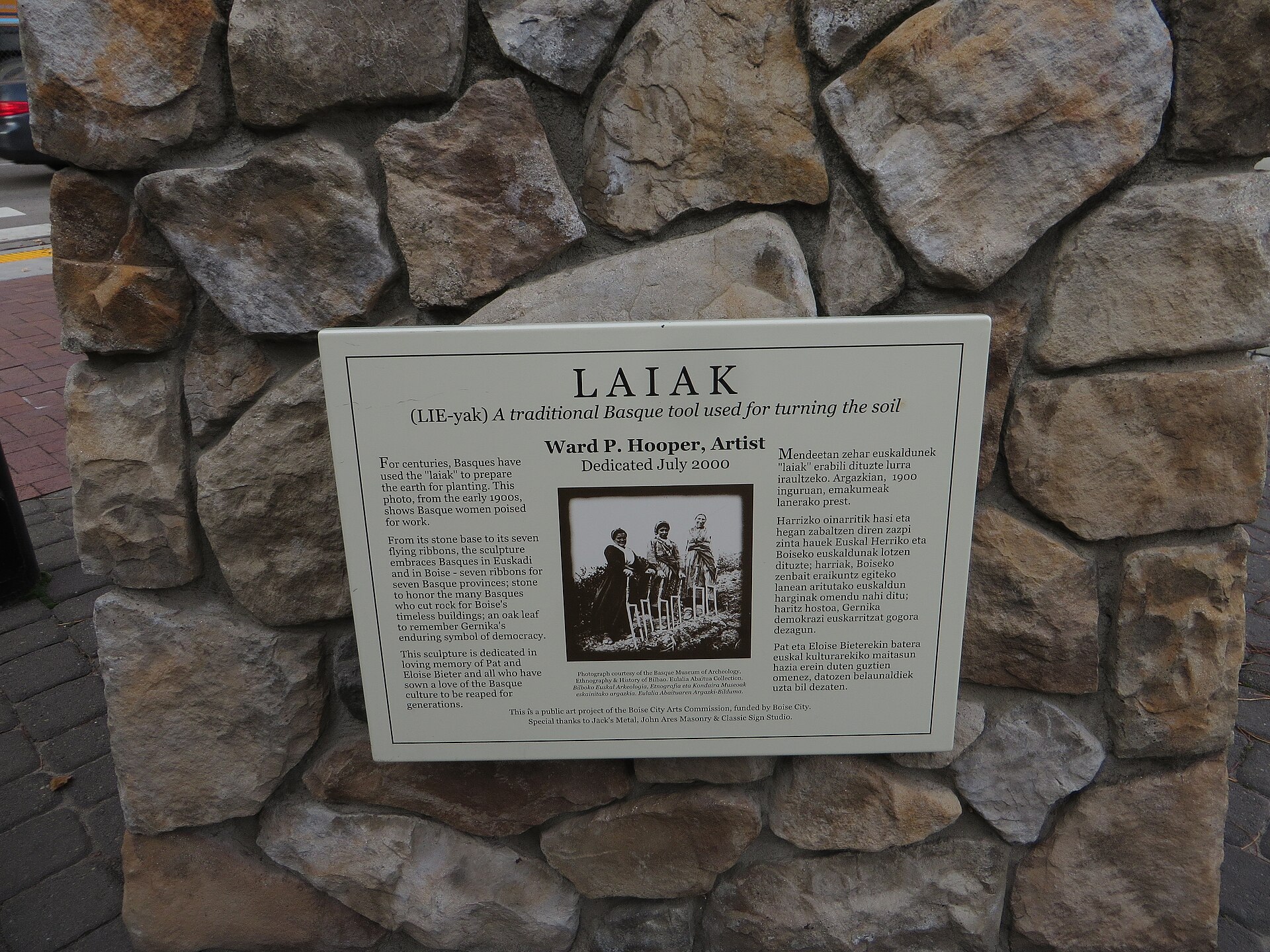
    Boise has one of the largest Basque communities outside Europe, and the Basque Block on Grove Street is where you feel it most. On one corner sits Bar Gernika, a small pub with croquetas, chorizo and a famous solomo sandwich. Since 1991 it has been one of the anchors of the block.

    A Boise Kid With Basque Roots

    Dan Ansotegui was born in Boise. Both sets of his grandparents came from the Basque Country, from Ibarrangelu and Algorta, according to Euskal Kultura. His grandfather David Inchausti once tended bar in Hailey, Idaho. Trips to the Basque Country gave Ansotegui the idea for a pub like the ones he had fallen for there, where people meet family and friends and take their time over a meal.

    From Chinese Laundry to Basque Pub

    The building at Capitol Boulevard and Grove Street went up after 1912 as the Quong Chong Laundry, in what was then Boise’s Chinatown. Over the decades it was also a newspaper substation and the Cub Tavern. The Basque Museum and Cultural Center acquired it in 1990 and leased it to Ansotegui. His first pitch was a pub called The Shepherd’s Son, but he settled on Bar Gernika, after Boise’s sister city in Bizkaia.

    Father Pat Russell blessed the building on June 16, 1991, and Bar Gernika opened to the public on June 19, the Basque Museum recounts. It was named Best Bar in Boise in 1998 and 1999.

    Passing the Torch

    Ansotegui opened the Basque Market across the street in 2001, and in 2008 he passed Bar Gernika to longtime employee Jeff May. Ansotegui now runs Ansots, a Basque restaurant on the same block, with his wife Tamara and daughter Ellie.

    • Order the solomo. The marinated pork loin sandwich is the house classic.
    • Try croquetas. They are a staple across the Basque Block.
    • Make a day of it. The Basque Museum and Cultural Center is next door.

    Bar Gernika started as one man’s homage to the pubs of his grandparents’ homeland. Thirty-plus years later, it is a big part of why Boise’s Basque Block is a place people go, not just pass through.

    Explore more Boise and Treasure Valley stories. And if you run a local business with a story worth telling, apply to be featured. It’s always free.

    Visit Bar Gernika

    Where: 202 S. Capitol Blvd., on the Basque Block in downtown Boise, Boise and Treasure Valley
    Open since: June 1991

    This spotlight draws on the Basque Museum and Cultural Center, Euskal Kultura, Boise State University and Sun Valley Magazine. Hours change, so confirm before you go. Top photo: Ken Lund, CC BY-SA 2.0, via Wikimedia Commons.

  • Westside Drive-In: How Chef Lou Aaron Turned a 1957 Boise Drive-In Into the Home of the Idaho Ice Cream Potato

    Westside Drive-In: How Chef Lou Aaron Turned a 1957 Boise Drive-In Into the Home of the Idaho Ice Cream Potato

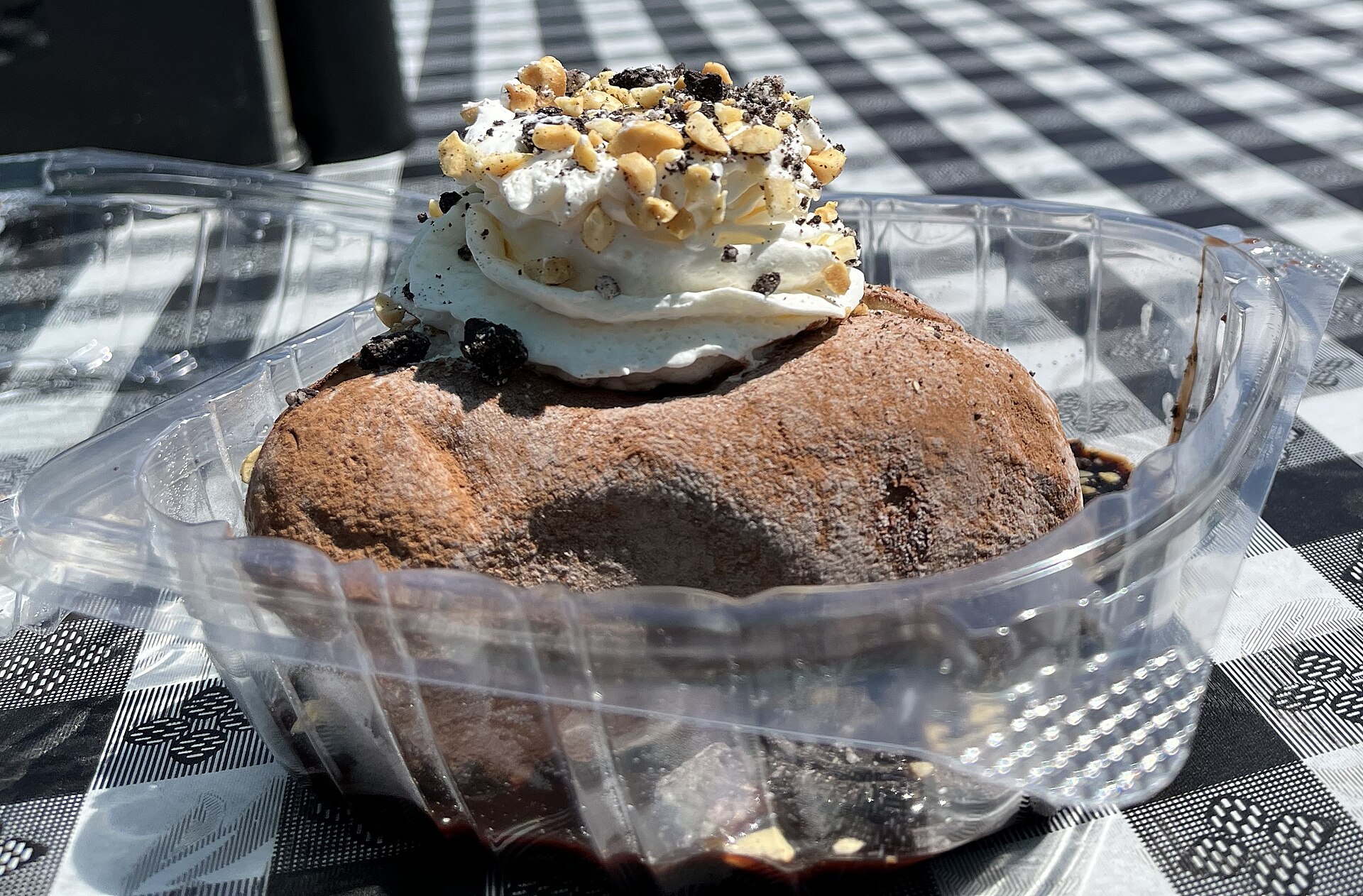
    From across the table it looks like a loaded baked potato, complete with sour cream and green onions. Then you take a bite and get vanilla ice cream, cocoa and whipped cream. The Idaho Ice Cream Potato is a Boise original, and its home is the Westside Drive-In on State Street.

    A North End Kid Comes Home

    The Westside opened in 1957 under Ralph Caskey, according to the Idaho Architecture Project. Lou Aaron grew up about six blocks away and came to the drive-in as a kid. After almost two decades working in restaurants around the country, including as a chef at upscale kitchens, he came back and bought it in 1994 with partner Ron Isaacs.

    Aaron, known to most of Boise simply as Chef Lou, kept the classic drive-in menu of burgers, fries and shakes and added chef-driven specials. Regulars come for the prime rib and the Monte Cristo as much as for dessert.

    The Dessert That Contains No Potato

    Aaron has said the idea goes back to a dessert served at Boise’s long-gone Gamekeeper restaurant, created for a governor’s banquet. He reworked it into his own version: ice cream shaped like a russet, dusted in cocoa and topped with whipped cream “sour cream” and green-tinted “chives.” Westside sells well over a thousand a month, and many more at the Western Idaho Fair, according to published reports.

    National attention followed. Guy Fieri featured the Westside on Diners, Drive-Ins and Dives in 2009, and the ice cream potato appeared on a Boise episode of Man v. Food in 2018. In 2012 Aaron opened a second Westside on Parkcenter Boulevard in Southeast Boise, now run by his son Josh.

    • Order the ice cream potato. It is the reason many visitors come, and it photographs as well as it tastes.
    • Check the specials board. Chef Lou’s daily specials go well beyond drive-in fare.
    • Catch it at the fair. The Western Idaho Fair booth is a late-summer tradition.

    Plenty of 1950s drive-ins have been torn down. This one found a chef who grew up eating there and gave it a second life.

    Explore more Boise and Treasure Valley stories. And if you run a local business with a story worth telling, apply to be featured. It’s always free.

    Visit Westside Drive-In

    Where: 1929 W. State St. in Boise’s North End, plus a second location at 1113 E. Parkcenter Blvd., Boise and Treasure Valley
    Open since: 1957 (Chef Lou since 1994)

    This spotlight draws on the Idaho Architecture Project, KIVI, KTVB, Banner Bank and published coverage of the Ice Cream Potato. Hours change, so confirm before you go. Top photo: LittleT889, CC BY-SA 4.0, via Wikimedia Commons.