Category: People and History

The remarkable people, past and present, whose stories shaped Idaho.

  • Brundage Mountain: An Olympian, a Mill Owner and J.R. Simplot Built McCall a Bigger Ski Hill in 1961

    Brundage Mountain: An Olympian, a Mill Owner and J.R. Simplot Built McCall a Bigger Ski Hill in 1961

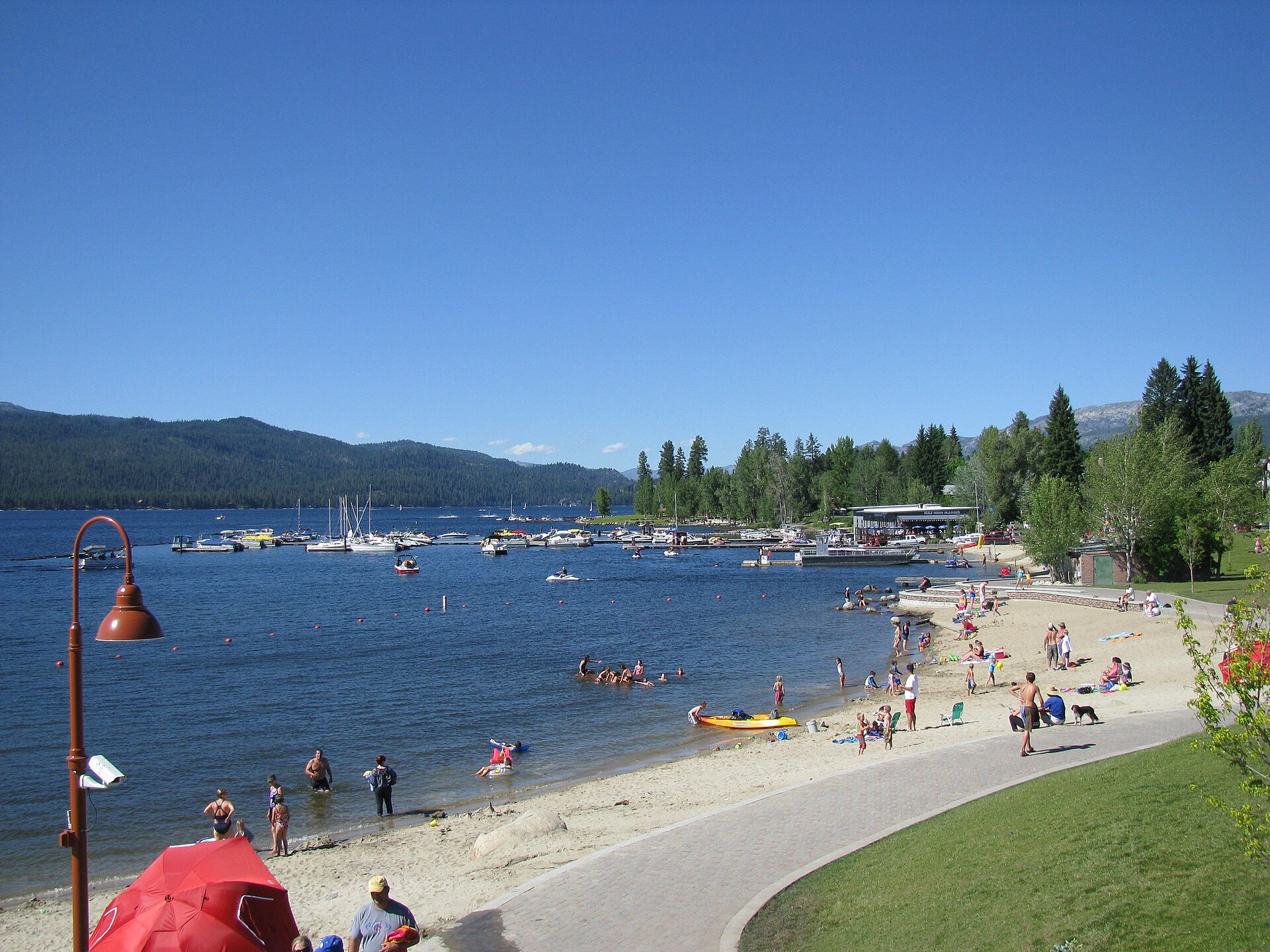
    McCall has loved skiing and ski jumping since the early 1900s. By the late 1950s, the town’s Little Ski Hill was not enough, and three men set out to build something bigger. The result, Brundage Mountain, opened eight miles northwest of town in 1961 and is still known for some of the best snow in Idaho.

    Three Founders

    Warren Brown was a longtime McCall resident who owned the local mill. Corey Engen was a Norwegian-born ski champion who had competed for the United States in the 1948 Olympics and who ran the Little Ski Hill. Around 1957 the two began talking about a larger, steeper mountain for central Idaho, and they brought in J.R. Simplot to help with financing, author Eve Chandler told Boise State Public Radio.

    The Forest Service issued their permit in April 1961, with the project estimated at $215,000. Engen laid out the trails that summer. A lift was installed, a lodge built, and utilities brought up the mountain.

    Opening on Thanksgiving

    Good early snow let Brundage open on Thanksgiving Day, November 23, 1961, with a double chairlift, a T-bar and a rope tow. In its first decade it was a hometown hill. On a typical midweek day there might be only eight to ten skiers, and Engen, the general manager, would often head out and ski with whoever showed up.

    Still Growing

    Brundage has added high-speed lifts over the years, including the Centennial Express in 2023, and it now offers lift-served mountain biking in summer. Its first employee, Johnny Boydstun, stayed for 27 years. And a 1963 photo shows Engen coaching a young Patty Boydstun on the mountain, years before she became an Olympian herself.

    • Ski a powder day. Brundage markets itself as having the best snow in Idaho.
    • Come in summer. Lift-served biking trails cover more than 20 miles.
    • Stay in McCall. Payette Lake and the town’s shops are 20 minutes away.

    Explore more Mountain Towns stories. And if you run a local business with a story worth telling, apply to be featured. It’s always free.

    Visit Brundage Mountain

    Where: About 8 miles northwest of McCall, Mountain Towns
    Opened: November 23, 1961
    Conditions and tickets: brundage.com

    This spotlight draws on Brundage Mountain’s published history, Eve Chandler’s history of the resort, McCall Magazine and Boise State Public Radio. Conditions change, so check before you go. Top photo (illustrative): Karthikc123, CC BY-SA 3.0, via Wikimedia Commons.
  • The Pioneer Saloon: Ketchum’s 1940s Gambling Hall Turned Steakhouse, and Its James Beard Award

    The Pioneer Saloon: Ketchum’s 1940s Gambling Hall Turned Steakhouse, and Its James Beard Award

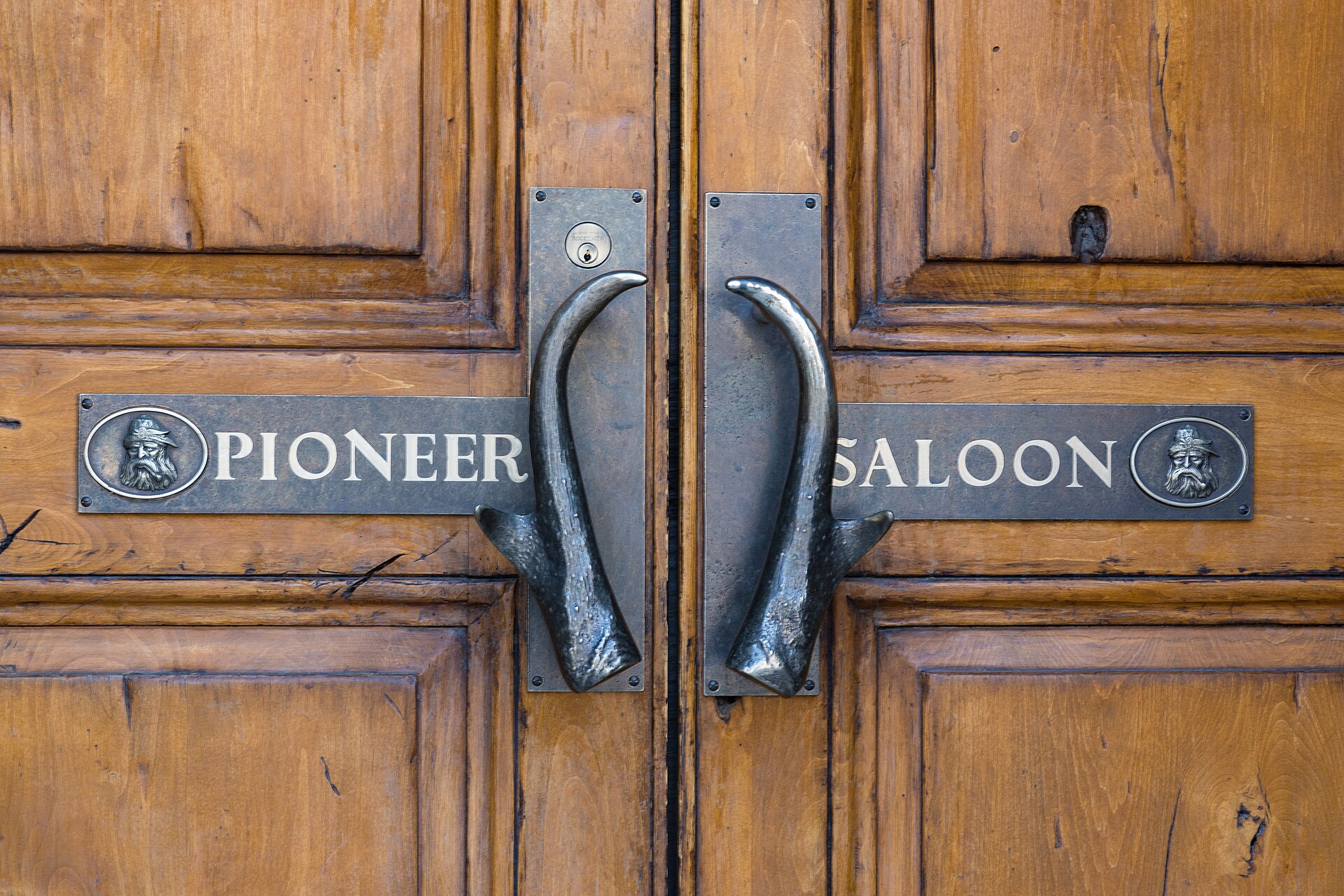
    For a lot of Sun Valley regulars, the Pioneer Saloon is the first stop when they get to town and the last before they leave. “The Pio,” as locals call it, is a Western steakhouse full of mounted game, vintage cowboy posters and old firearms, and it has been part of Ketchum’s Main Street for about eight decades.

    A Casino Born of the Sun Valley Boom

    When Sun Valley opened in 1936, Ketchum filled with lively gambling halls. The Commercial Club casino opened in this building in the early 1940s as one of them, according to the City of Ketchum’s historic signage. After the casino closed, the American Legion used the building for a time. The restaurant locals know as the Pio really took shape in 1972.

    Duffy and Sheila Witmer

    Duffy Witmer worked for the previous owner before he and Sheila Witmer bought the Pioneer Saloon in 1986. Duffy has spent more than half a century in the restaurant business and still takes part in day-to-day operations. He loves the valley’s history, too: he drives the old Big Hitch ore wagon route from his ranch and was Grand Marshal of Ketchum’s 2025 Wagon Days parade.

    A National Honor

    In 2025 the Pioneer Saloon won a James Beard America’s Classics award, which honors beloved local restaurants. “We were totally caught off guard, we were overwhelmed, we were humbled,” Witmer told Eye on Sun Valley.

    • Order the prime rib. Aged beef is what the Pio is known for.
    • Look around. The tin ceiling, bullet boards and Western memorabilia tell the town’s story.
    • Ask about the ghost. The staff have stories.

    Explore more Mountain Towns stories. And if you run a local business with a story worth telling, apply to be featured. It’s always free.

    Visit the Pioneer Saloon

    Where: 320 N. Main St., Ketchum, Mountain Towns
    Building: Opened as the Commercial Club in the 1940s
    Owners since: 1986

    This spotlight draws on the City of Ketchum’s historic signage, Eye on Sun Valley, Sun Valley Magazine and the Idaho Press. Hours change, so confirm before you go. Top photo: Frank Schulenburg, CC BY-SA 4.0, via Wikimedia Commons.

  • Redfish Lake Lodge: “Two-Gun” Bob Limbert’s 1929 Log Lodge in the Shadow of the Sawtooths

    Redfish Lake Lodge: “Two-Gun” Bob Limbert’s 1929 Log Lodge in the Shadow of the Sawtooths

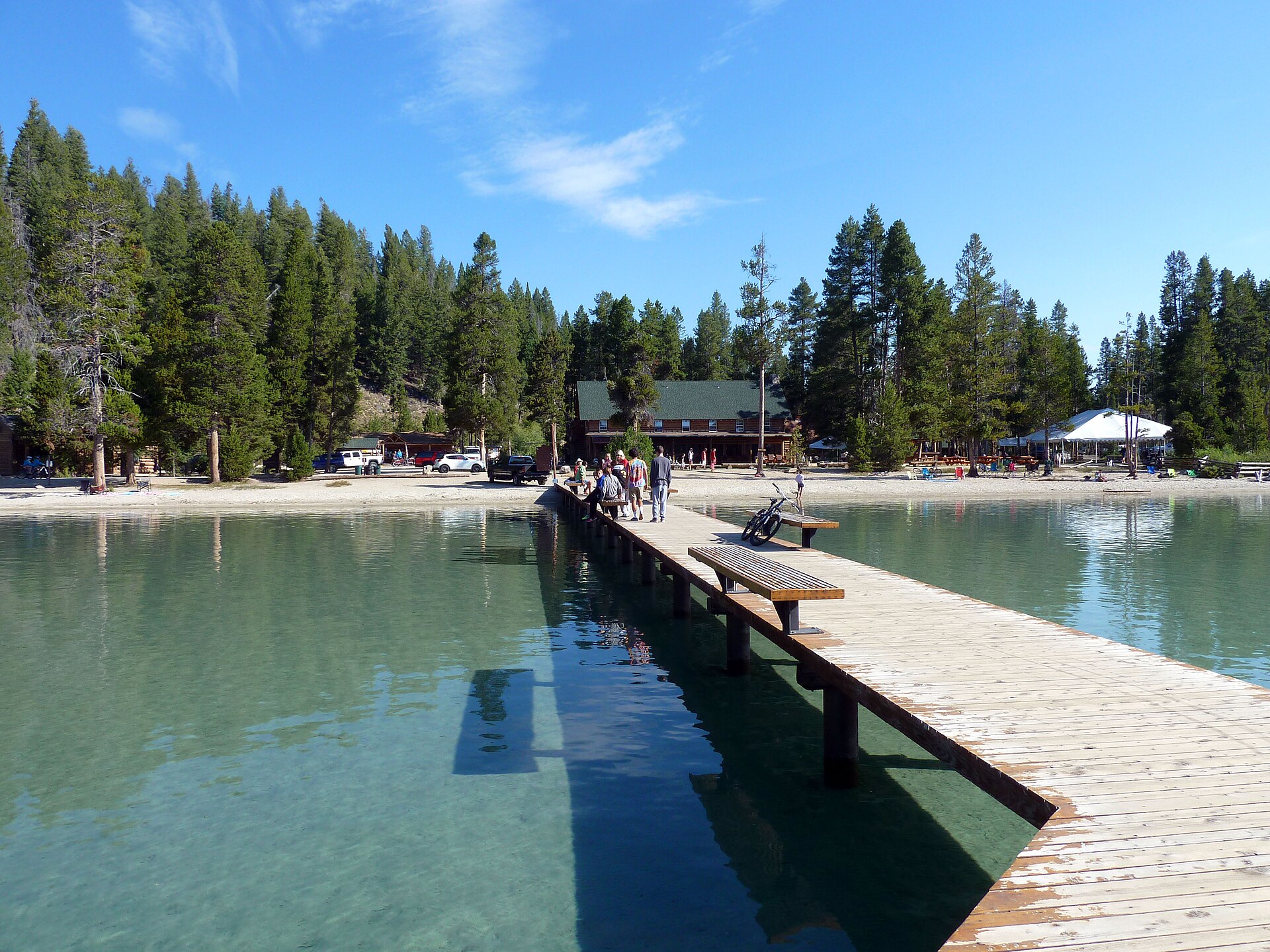
    Redfish Lake is five miles of clear glacial water at the foot of the Sawtooth Mountains, and for nearly a century the place to stay on its north shore has been a log lodge built by one of Idaho’s great characters. Many repeat visitors say some of their earliest childhood memories are of family trips here.

    A Lodge Built by “Two-Gun” Limbert

    Robert W. Limbert was a Boise taxidermist, explorer, naturalist, writer and promoter, nicknamed “Two-Gun” for his showmanship. His explorations of the Craters of the Moon helped lead to its designation as a national monument, and he fell in love with Redfish Lake. He began building a lodge in the summer of 1928.

    In 1929, the lodge recounts, Limbert gathered his funding and beat out at least two other groups hoping to develop the lake, signing a long-term lease on 16 acres of Forest Service land. On opening day the lodge had a gas station and eight canvas tent cabins, and it was a family affair. Limbert’s wife and her friend cooked for guests, and his daughter Margaret remembered gathering stones for the building herself.

    Owners Come and Go, the Lodge Stays

    Limbert died in 1933, and the lodge passed through a series of owners. The See family bought it in 1971, and Jack See ran it for 27 years. In 1999 Arlen and Derrel Crouch, natives of Jerome, Idaho, bought the lodge, with their daughter and son-in-law, Audra and Jeff Clegg, running it day to day. Other than a couple of additions, the main lodge remains much as it was in 1929.

    The lodge closed in 2024 after the nearby Bench Lake Fire and reopened in phases that July.

    • Rent a boat. The marina has been part of the lodge since the early days.
    • Take the shuttle across the lake. It is a popular way to reach Sawtooth trailheads.
    • Have a drink in the Rustic Lounge. The log-hewn stools and memorabilia are half the fun.

    Explore more Mountain Towns stories. And if you run a local business with a story worth telling, apply to be featured. It’s always free.

    Visit Redfish Lake Lodge

    Where: 401 Redfish Lodge Road, about 6 miles south of Stanley off Highway 75, Mountain Towns
    Founded: 1929
    Season: Summer only, so check dates at redfishlake.com

    This spotlight draws on Redfish Lake Lodge’s published history, IdaHome magazine, Sun Valley Magazine and the Wood River Museum of History and Culture. Top photo: Katja Schulz from Washington, D. C., USA, CC BY 2.0, via Wikimedia Commons.

  • Depot Grill: The Twin Falls Diner by the Tracks That Has Fed the Magic Valley for More Than a Century

    Depot Grill: The Twin Falls Diner by the Tracks That Has Fed the Magic Valley for More Than a Century

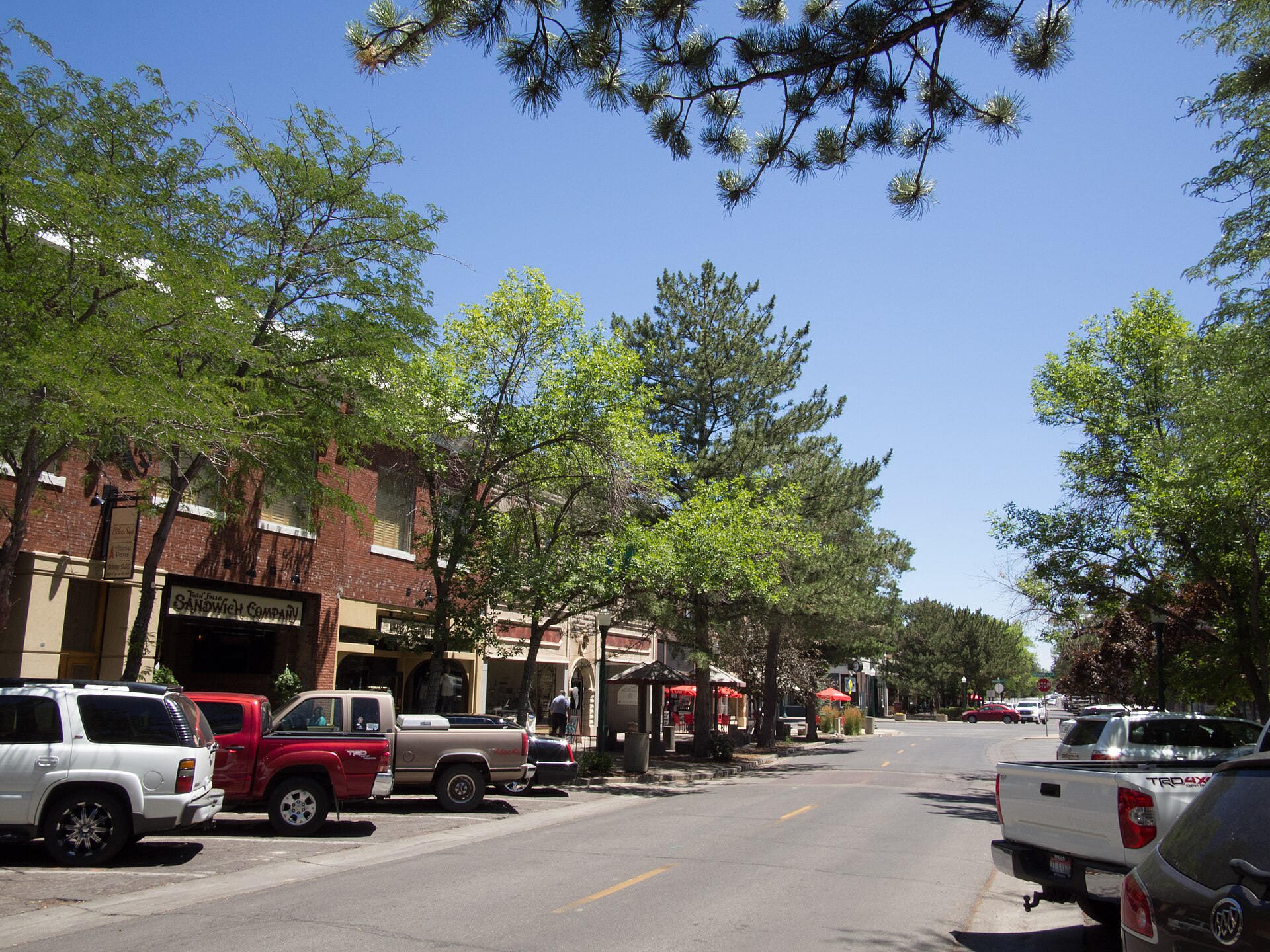
    If you have lived in Twin Falls for any length of time, you have probably had a burger and fries at the Depot Grill. The diner on Shoshone Street, beside the railroad tracks, has been feeding the Magic Valley for more than a century, and for many families it marks milestones the way a church or a school does.

    A Diner That Grew Up With the Town

    Twin Falls was founded in 1904, and the Depot Grill has been part of its story for most of that time. The restaurant celebrated its 100th anniversary in 2017, KLIX reported, and its history runs parallel to the town’s. The current building dates to 1930 and was remodeled in the 1990s.

    For generations the Grill was run by the Soran family. Owner Steve Soran worked in the family business for well over half its history and once marked an anniversary by giving away $1,000 to customers on the radio.

    Breakfast Is the Main Event

    The Depot is known for an enormous breakfast menu, with more than 85 options, and at one point it was serving 35,000 eggs a month. Big eaters can try the Train Wreck, a stack of pancakes that few people finish. The Grill has also been known for long hours, a lifesaver for night-shift workers and travelers.

    Looking for the Next Chapter

    In 2026 the property and business went up for sale, and the asking price has since been reduced to $850,000, KIVI reported in August. The seller hopes to find a buyer who will keep the diner going. As one longtime customer put it, “I hope whoever gets it wants to maintain the way it has been.”

    • Come hungry. Portions match the size of the menu.
    • Take on the Train Wreck. If you dare.
    • Pair it with Shoshone Falls. The “Niagara of the West” is a short drive away.

    Explore more Magic Valley stories. And if you run a local business with a story worth telling, apply to be featured. It’s always free.

    Visit the Depot Grill

    Where: 545 Shoshone St. S., Twin Falls, Magic Valley
    Serving Twin Falls since: about 1917

    This spotlight draws on KLIX News Radio 1310, KIVI, KEZJ, Kool 96.5 and Only In Your State. Because the business is for sale, hours and ownership may change, so confirm before you go. Top photo (illustrative): Tommyers89, CC BY-SA 4.0, via Wikimedia Commons.

  • Buddy’s Italian Restaurant: Pocatello Has Been Getting “Buddy’s Breath” on East Lewis Street Since 1961

    Buddy’s Italian Restaurant: Pocatello Has Been Getting “Buddy’s Breath” on East Lewis Street Since 1961

    In Pocatello, “Buddy’s breath” is a badge of honor. It is the name locals give to the unmistakable garlic that follows you home after a meal at Buddy’s Italian Restaurant, a Gate City landmark since 1961.

    Built for College Kids and Families

    Bill Guido and Buddy Face opened Buddy’s in February 1961 at 626 East Lewis Street, a spot that could draw in college students from nearby Idaho State University as well as families, East Idaho News reported. It has been in the same building ever since, and it is often called one of the oldest Italian restaurants in the state.

    Same Bread, Same Sauce

    Buddy’s bread is made from scratch by Paloukos Bakery, a local bakery that has supplied the restaurant since it opened. The spaghetti sauce is made with three meats: beef, chicken and pork. Ownership has changed over the decades, but the recipes have stayed remarkably consistent. Longtime owner Steve Piper started working there in 1970, and many staff members are veterans of the place.

    Piper’s explanation for the restaurant’s staying power is simple: keep customers happy with good food, in large portions, at affordable prices.

    What to Order

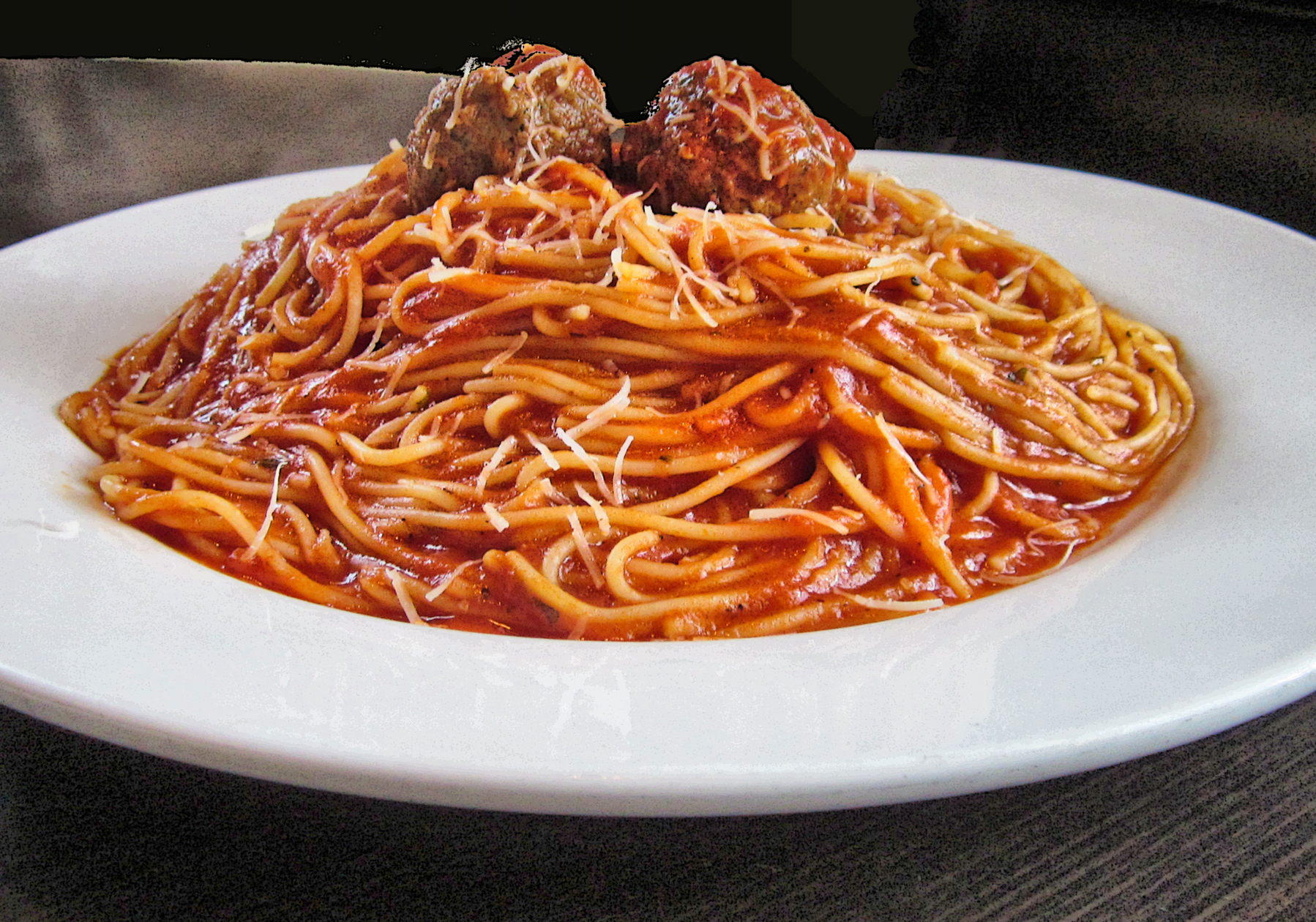
    • Spaghetti and meatballs. The three-meat sauce is the house classic.
    • Garlic bread with cheese. Made with that Paloukos bread.
    • A big sandwich. They come on Buddy’s Italian bread and they are huge.

    After more than six decades, Buddy’s has outlasted plenty of food trends by sticking to what Pocatello already loves. Just do not plan on a meeting right after lunch.

    Explore more Southeast Idaho stories. And if you run a local business with a story worth telling, apply to be featured. It’s always free.

    Visit Buddy’s Italian Restaurant

    Where: 626 E. Lewis St., Pocatello, near Idaho State University, Southeast Idaho
    Open since: February 1961

    This spotlight draws on East Idaho News and Only In Your State. Hours change, so confirm before you go. Top photo (illustrative): D. Laird from Riverside County, USA, CC BY 2.0, via Wikimedia Commons.

  • North Hi-Way Cafe: The Idaho Falls Diner That Started in a 1934 Auto Garage and Never Stopped Cooking

    North Hi-Way Cafe: The Idaho Falls Diner That Started in a 1934 Auto Garage and Never Stopped Cooking

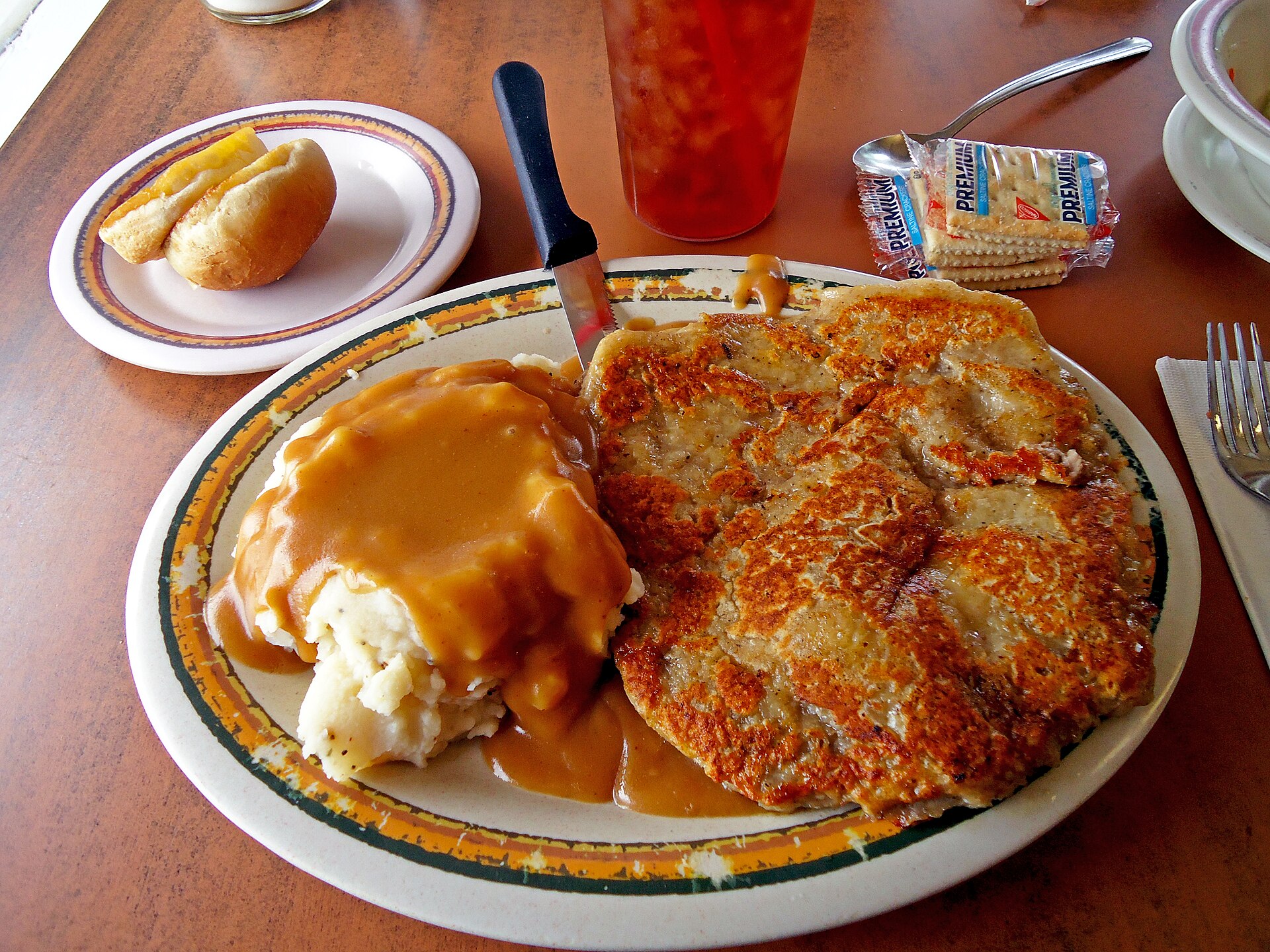
    The motto at North Hi-Way Cafe is “Home Cookin’ When You’re Not Home Cookin’,” and the menu backs it up: chicken fried steak, broasted chicken, liver and onions, homemade pie and a rare beef sandwich that regulars order again and again. The cafe has been serving it on Northgate Mile since 1934.

    Lunch While You Wait

    North Hi-Way did not start as a restaurant. It began inside an auto repair garage, where the owner set up tables so customers could get a bite while their cars, many of them Model As, were being worked on. The food caught on, and over time the garage turned into a full-time eatery.

    Four Families in 90 Years

    Since 1934 the cafe has had four known primary owners, Idaho Falls Magazine reported for its 90th anniversary. Business partners Everett and Edna Morgan and Loren and Louise Schultz ran it until 1952, when Evan and Theo Cropper became sole owners. Roxanne and Wesley Smith ran the cafe for more than two decades and kept the founding recipes. They sold it to Todd and Veronica Holverson, who met, fittingly, at the cafe.

    “We have stood strong through many wars, struggles and triumphs,” Veronica Holverson told the magazine. “We are proud to be a staple of our Idaho Falls community.”

    What to Order

    • The rare beef sandwich. Previous owners said it was the most requested item on the menu.
    • Chicken fried steak. A classic done the old-fashioned way.
    • Pie. Save room, or take a slice home.

    Plenty of cafes have come and gone along Idaho’s highways. This one started as a way to keep waiting customers happy and simply never stopped.

    Explore more Eastern Idaho stories. And if you run a local business with a story worth telling, apply to be featured. It’s always free.

    Visit North Hi-Way Cafe

    Where: 460 Northgate Mile, Idaho Falls, Eastern Idaho
    Open since: 1934
    Known for: Breakfast, home cooking and catering

    This spotlight draws on Idaho Falls Magazine, East Idaho News and Only In Your State. Hours change, so confirm before you go. Top photo (illustrative): Mr. Gray, CC0, via Wikimedia Commons.

  • BookPeople of Moscow: Idaho’s Longest-Running Bookstore Has Been on Main Street Since 1973

    BookPeople of Moscow: Idaho’s Longest-Running Bookstore Has Been on Main Street Since 1973

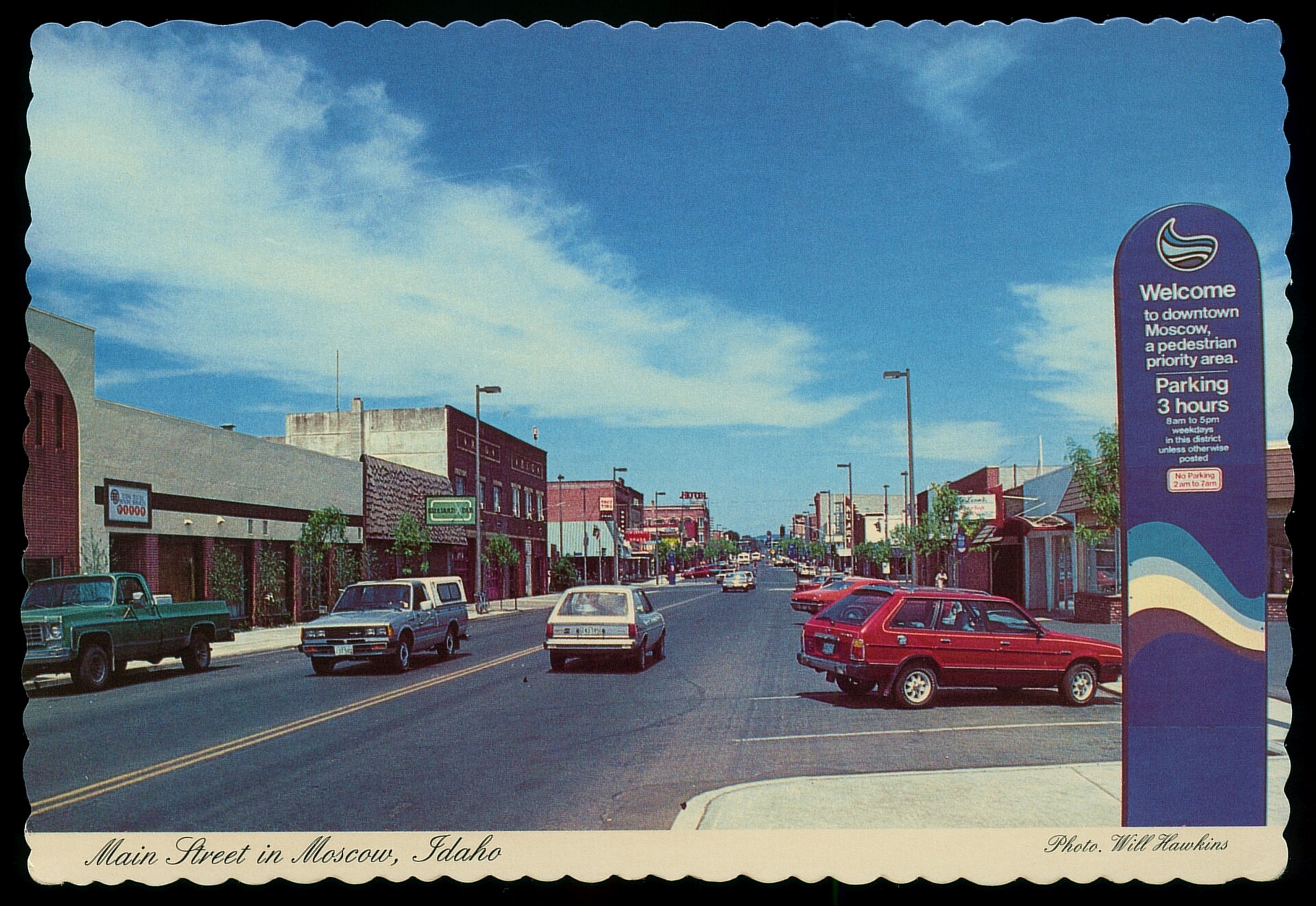
    BookPeople of Moscow is the kind of bookstore college towns are lucky to have: new books for every age, a deep regional section and readings by authors who come through for the University of Idaho’s writing program. It has been on Moscow’s Main Street for more than 50 years.

    A Rocky Opening Day

    Ivar Nelson opened BookPeople on November 19, 1973. Things did not start smoothly. On opening day, the American Booksellers Association recounts, the young owner discovered he had misplaced the key to the shop.

    The store was incorporated in 1977 as a worker-owned cooperative, according to records held in the University of Idaho Library’s special collections. In 1981 Robert Greene bought BookPeople and ran it for three decades, until 2011.

    Saved by New Owners

    When Greene retired, the store was in danger of closing. Carol Price and Steffen Werner bought it at the end of 2011, remodeled it and reopened with a new look. The store later added an employee owner. In 2025 Price sold her share to Katelyn and Bryan Foutch, keeping BookPeople in local hands.

    A Palouse Gathering Place

    With the University of Idaho in town and Washington State University eight miles away, BookPeople has hosted writers including Anthony Doerr and Sherman Alexie. The University of Idaho’s student newspaper calls it the longest continually operating bookstore in the state.

    • Browse the regional shelf. It is one of the best places to find books on Idaho and the Palouse.
    • Check the events calendar. Author readings are frequent during the school year.
    • Pair it with Main Street. Downtown Moscow is full of local shops and cafes.

    Explore more North Idaho stories. And if you run a local business with a story worth telling, apply to be featured. It’s always free.

    Visit BookPeople of Moscow

    Where: Main Street, downtown Moscow, North Idaho
    Founded: November 19, 1973

    This spotlight draws on the American Booksellers Association, Archives West, the University of Idaho Argonaut, Shelf Awareness and NW Book Lovers. Hours change, so confirm before you go. Top photo: Steve Shook from Moscow, Idaho, USA, CC BY 2.0, via Wikimedia Commons.

  • Hudson’s Hamburgers: Five Generations, 18 Stools and No Fries in Coeur d’Alene Since 1907

    Hudson’s Hamburgers: Five Generations, 18 Stools and No Fries in Coeur d’Alene Since 1907

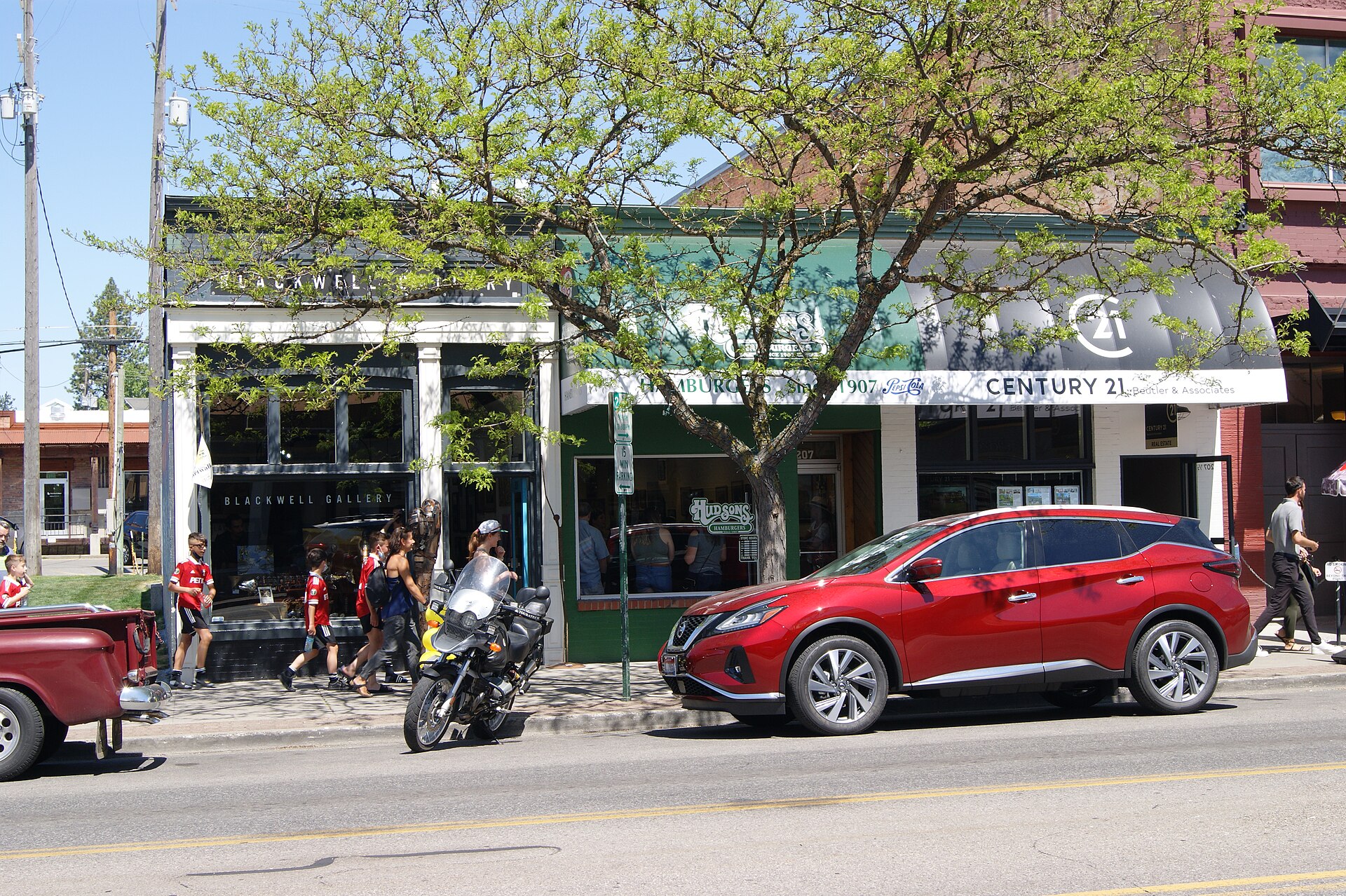
    Walk into Hudson’s Hamburgers and you sit at a counter, elbow to elbow with strangers, and order from a menu short enough to memorize: hamburgers, cheeseburgers and pie. There are no fries. There have never been fries. And people line up anyway, as they have in downtown Coeur d’Alene since 1907.

    A Tent on Sherman Avenue

    Harley Hudson came to Coeur d’Alene in 1905 from Brooklyn, Iowa, and worked in the timber trade before deciding the booming lumber town needed a good basic burger. In 1907 he opened a lunch stand in a white canvas tent at First Street and Sherman Avenue. He called it the Missouri Lunch, after a brother nicknamed Missouri, and sold hamburgers for a dime.

    The name changed to Hudson’s Hamburgers in 1963, but the business has stayed within the same block of Sherman Avenue the whole time, The Spokesman-Review reported.

    The Ketchup Rule

    One Hudson’s tradition dates to the Great Depression. Hungry customers were stirring ketchup into cups of hot water to make free soup, draining the bottles faster than Harley could fill them. It is one of the stories the family still tells about keeping the place going through hard times.

    Five Generations at the Grill

    The grill passed from Harley to his son Howard, then to grandson Roger in 1972, and later to Roger’s sons Todd and Steve. Todd Hudson died in 2017, and Steve Hudson carries on the family business. In 2007 the Idaho Legislature honored the restaurant’s centennial with a proclamation praising its 18-stool counter as “like being with family.”

    • Bring cash. Hudson’s has famously been a cash business.
    • Get a slice of pie. It is the only side dish worth asking about.
    • Grab a stool. The counter is the whole experience, so be ready to wait a few minutes at lunch.

    A national food site once named Hudson’s the most iconic restaurant in Idaho. The family would probably just say they make a good hamburger, and leave it at that.

    Explore more North Idaho stories. And if you run a local business with a story worth telling, apply to be featured. It’s always free.

    Visit Hudson’s Hamburgers

    Where: 207 E. Sherman Ave., downtown Coeur d’Alene, North Idaho
    Founded: 1907

    This spotlight draws on The Spokesman-Review, the Coeur d’Alene Press, Sunset, the Spokane Journal of Business and Rick Just’s Idaho history writing. Hours change, so confirm before you go. Top photo: T85cr1ft19m1n, CC0, via Wikimedia Commons.

  • Ste. Chapelle Winery: How Idaho’s Oldest and Largest Winery Revived a Wine Country Lost to Prohibition

    Ste. Chapelle Winery: How Idaho’s Oldest and Largest Winery Revived a Wine Country Lost to Prohibition

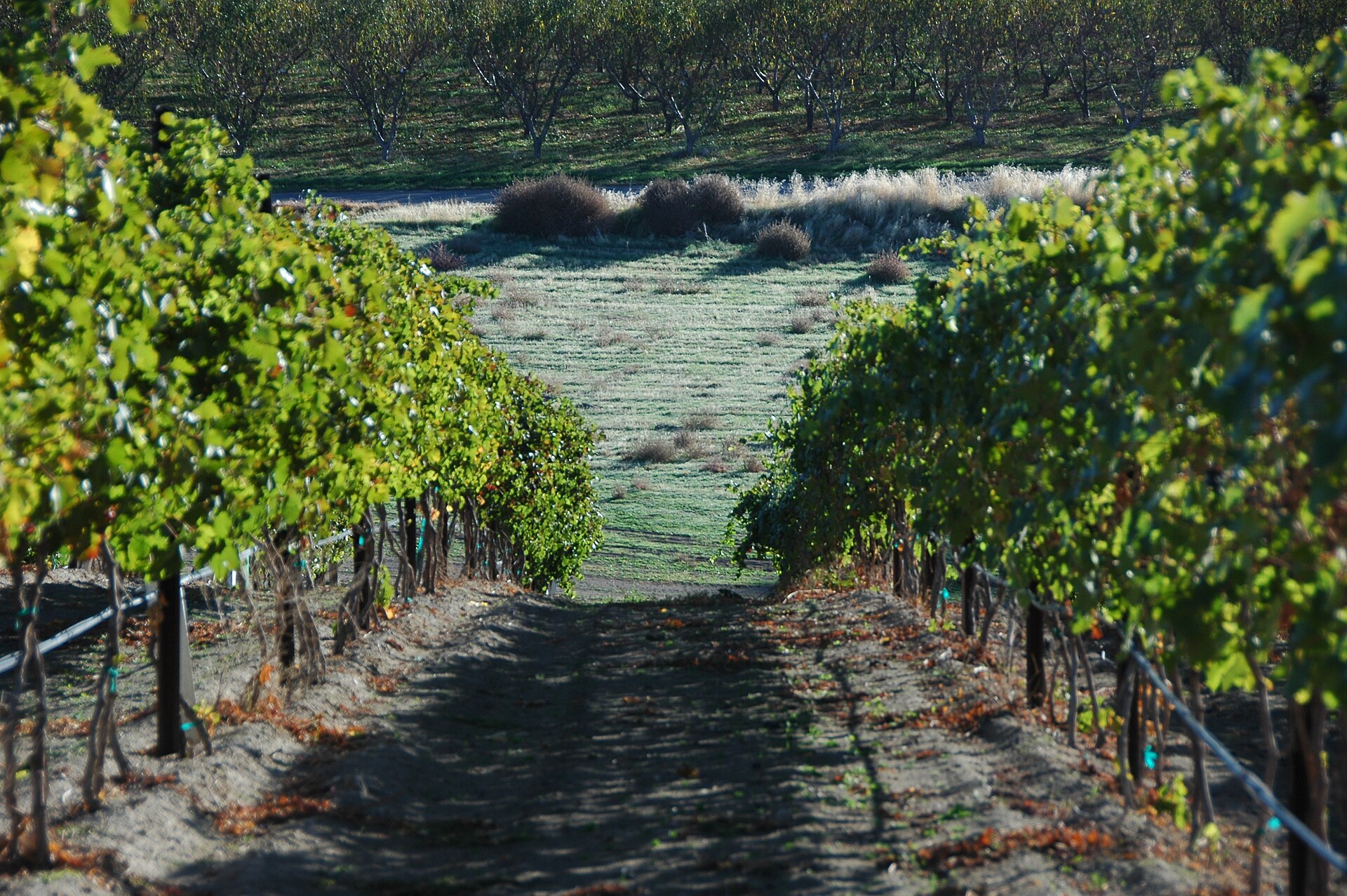
    Drive west of Caldwell to Winery Hill and you can see why people plant grapes here. Below Ste. Chapelle’s chateau, the Sunny Slope area spreads out in orchards, row crops and vineyards, with the Snake River winding through. This is where Idaho’s modern wine industry got its start.

    A Wine Country Before Prohibition

    Idaho was planting wine grapes as early as the 1860s, some of the first vineyards in the Pacific Northwest. Prohibition shut the industry down in 1919, and for decades wine grapes all but disappeared from the state.

    The Symms Family Plants a Seed

    In 1975 the Symms family, longtime southwest Idaho fruit growers, launched Ste. Chapelle in Emmett, about 25 miles northeast of Caldwell, Great Northwest Wine reports. The winery took its name from La Sainte-Chapelle in Paris, the 13th-century royal chapel built by Louis IX, and its chateau on Winery Hill was inspired by it.

    The winery was meant to stay small, but demand grew as the Snake River Valley built its reputation, and Ste. Chapelle quickly outgrew Emmett and moved to its current home west of Caldwell. It became the leading winery in Idaho in both production and sales. In 2012 it joined Precept Wine’s family of Northwest wineries.

    A Hometown Favorite

    Ste. Chapelle is the most visited winery in Idaho and hosts a summer series of open-air concerts on its lawn. Most of the dozens of wineries that have opened in the Snake River Valley since can trace a line back to the industry it helped restart.

    • Go for a summer concert. The lawn events are a Treasure Valley tradition.
    • Book a tasting. The tasting room pours a range of Snake River Valley wines.
    • Make it a wine trail day. The Sunny Slope area has many smaller wineries nearby.

    Explore more Boise and Treasure Valley stories. And if you run a local business with a story worth telling, apply to be featured. It’s always free.

    Visit Ste. Chapelle Winery

    Where: 19348 Lowell Road, Caldwell, on Winery Hill in the Sunny Slope area, Boise and Treasure Valley
    Founded: 1975, in Emmett

    This spotlight draws on Ste. Chapelle’s published heritage, Great Northwest Wine, Wine Folly and KIVI. Hours change, so confirm before you go. Top photo (illustrative): Unknown authorUnknown author or not provided, Public domain, via Wikimedia Commons.

  • Bogus Basin: The Nonprofit Ski Hill Boise Built for Itself in 1942

    Bogus Basin: The Nonprofit Ski Hill Boise Built for Itself in 1942

    Most cities with a ski hill this close to downtown would have sold it to a resort company long ago. Boise never did. Bogus Basin, sixteen road miles from the city, has been run as a nonprofit since it opened, and every dollar it makes goes back into the mountain.

    A Name From the Gold Rush

    The basin got its name in the 1860s, when swindlers reportedly used it as a hideout to make fake gold dust. In the late 1930s, inspired partly by the opening of Sun Valley in 1936, Boise skiers started looking for a hill of their own. Alf Engen, the famous ski pioneer, helped pick the site in 1939, working with Boise Ski Club president John Hearne and Forest Service landscape architect Yale Moeller.

    The Civilian Conservation Corps built the Bogus Basin Road in 1938 and 1939, and the nonprofit Bogus Basin Recreational Association was incorporated in 1941. Then came Pearl Harbor, and the opening was put on hold.

    Opening Day in Wartime

    Bogus Basin finally opened on December 20, 1942. About 200 skiers came out that first day, including 50 soldiers from Gowen Field, and many carpooled up the muddy road because of gas rationing, Idaho historian Rick Just writes. The road was not paved until 1962.

    The early years were lean. When the ski area struggled with debt in 1953, J.R. Simplot bought its lifts and improvements and sold them back to the association for one dollar.

    Boise’s Mountain

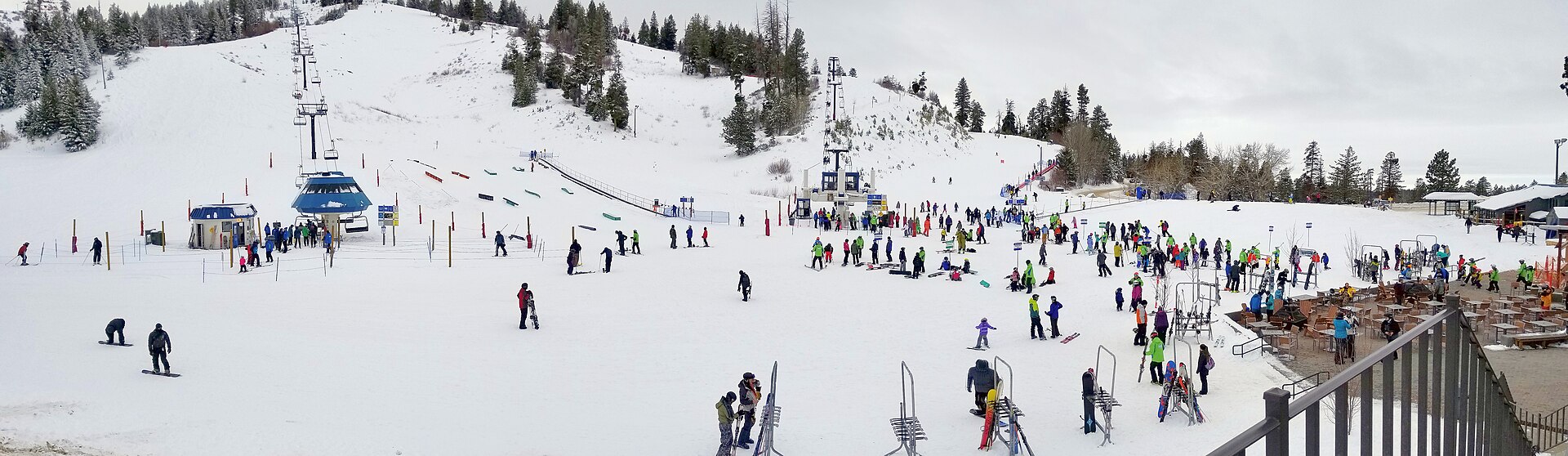
    Today Bogus Basin offers about 2,600 acres of skiable terrain, night skiing, Nordic trails and summer mountain biking. It is often called the largest nonprofit ski area in the country, and Olympians and Paralympians have called it their home mountain.

    • Ski at night. Bogus is known for its night skiing, a rarity at this scale.
    • Try the Nordic trails. There are miles of groomed cross-country terrain.
    • Come back in summer. Lift-served biking and hiking keep the mountain busy year-round.

    Explore more Boise and Treasure Valley stories. And if you run a local business with a story worth telling, apply to be featured. It’s always free.

    Visit Bogus Basin

    Where: Bogus Basin Road, about 16 miles north of Boise, Boise and Treasure Valley
    Opened: December 20, 1942
    Snow report and tickets: bogusbasin.org

    This spotlight draws on Bogus Basin’s published history, Boise State Public Radio, KTVB, the Living New Deal and Rick Just’s Idaho history writing. Conditions change, so check before you go. Top photo: cifraser1, CC BY 2.0, via Wikimedia Commons.

  • Moon’s Kitchen Cafe: The Boise Diner That Started Behind a Gun and Tackle Shop in 1955

    Moon’s Kitchen Cafe: The Boise Diner That Started Behind a Gun and Tackle Shop in 1955

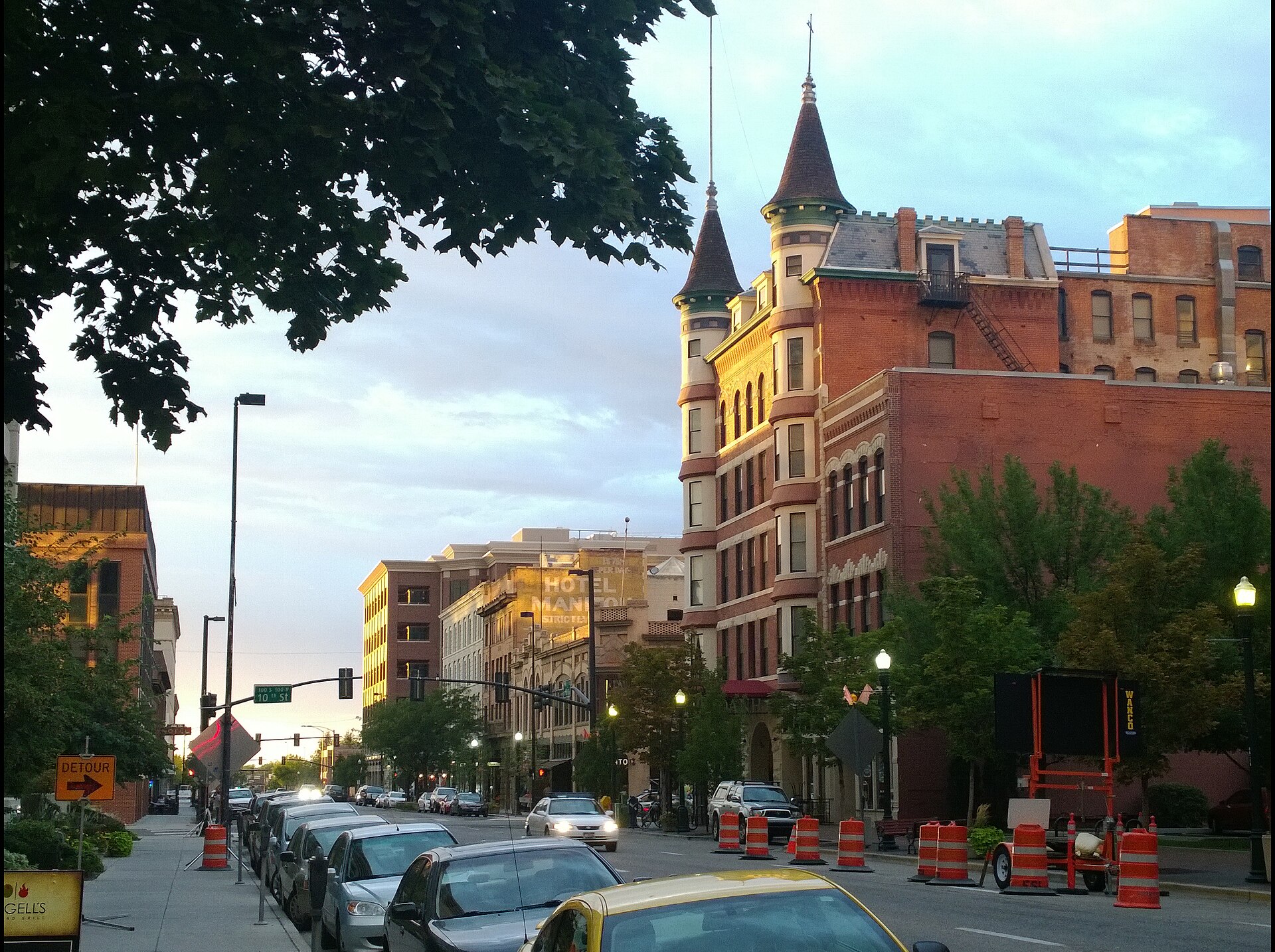
    Ask longtime Boiseans where to get a real milkshake and Moon’s comes up fast. The downtown diner has been serving breakfast, burgers and hand-dipped shakes since 1955, which makes it one of the longest-running diners in Idaho.

    A Lunch Counter in a Sporting Goods Store

    Moon’s began as Moon’s Lunch, a counter in the back of a popular sporting goods store called Moon’s Gun and Tackle Shop. Hunters and anglers came in for gear and stayed for a burger and a shake. The lunch counter outlived the store and became a downtown institution on its own.

    Gary and Shelley Torrey bought Moon’s and built it into a busy breakfast spot with food made from scratch. Gary even invented a kitchen tool, the Hollandaise Hero, for keeping butter warm for hollandaise sauce.

    A Diner That Keeps Moving

    Moon’s was forced to close when the City of Boise deemed its longtime home, the Union Block building, unsafe to occupy. About two months later it reopened on the second floor of the Zions Bank Building at 800 W. Main St., and the regulars followed it upstairs. “Future looks really bright,” KIVI headlined its story on the reopening.

    What to Order

    • A hand-dipped shake. Moon’s is famous for them, with a long list of flavors and spins.
    • Moon babies. The house favorite comes topped with berries or a fruit compote.
    • Breakfast any time. The breakfast menu is the main event, and portions are big.

    Downtown Boise has changed a lot since 1955. Moon’s is proof that a good shake and a friendly counter can survive just about anything, including a move upstairs.

    Explore more Boise and Treasure Valley stories. And if you run a local business with a story worth telling, apply to be featured. It’s always free.

    Visit Moon’s Kitchen Cafe

    Where: 800 W. Main St., Suite 230 (Zions Bank Building), downtown Boise, Boise and Treasure Valley
    Open since: 1955

    This spotlight draws on KIVI, Only In Your State and published coverage of Moon’s Kitchen Cafe. Hours change, so confirm before you go. Top photo (illustrative): Willowcast, CC BY-SA 3.0, via Wikimedia Commons.
  • Idaho Candy Company: The Boise Factory That Has Made the Idaho Spud Bar Since 1918

    Idaho Candy Company: The Boise Factory That Has Made the Idaho Spud Bar Since 1918

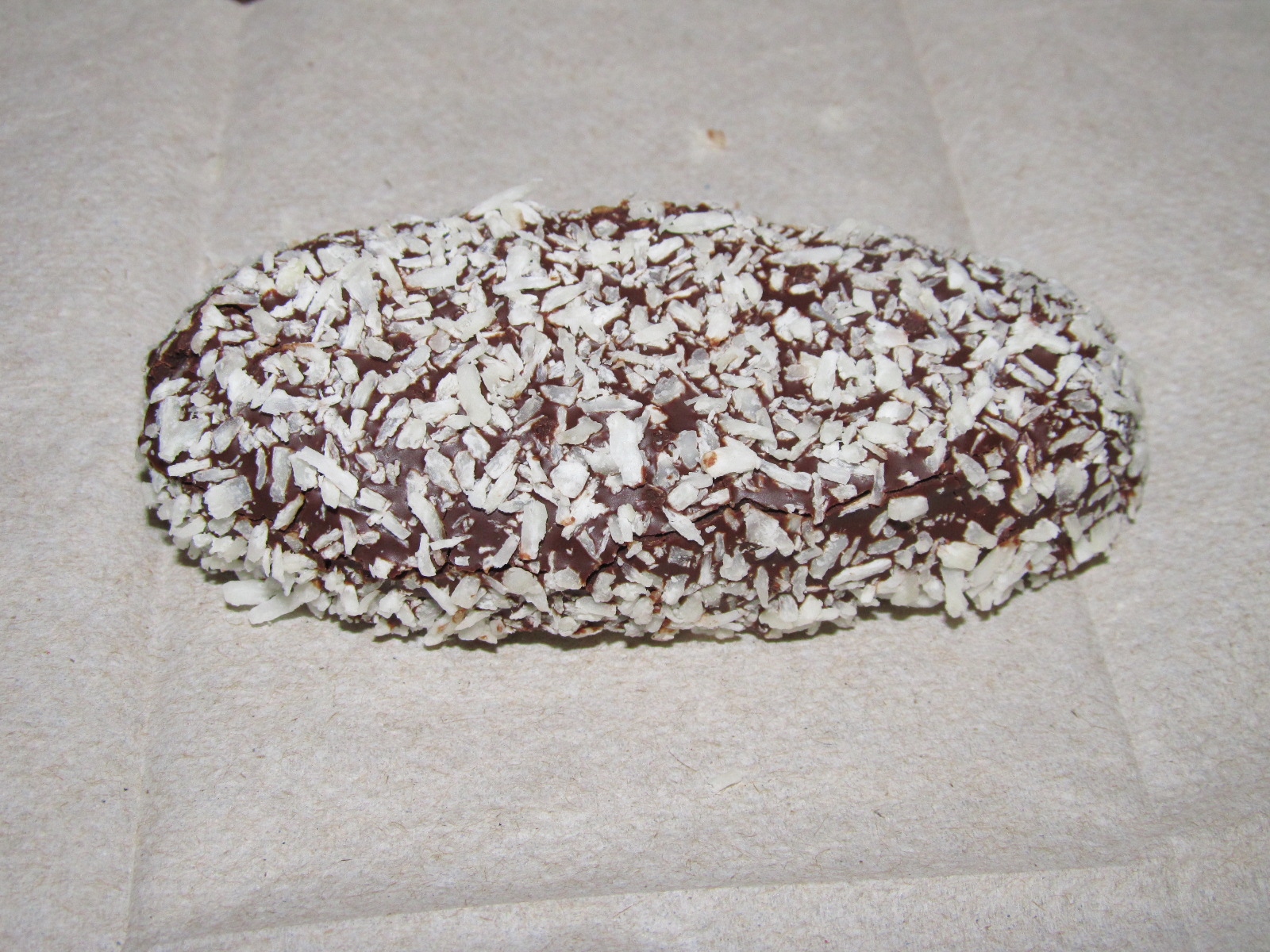
    There is no potato in an Idaho Spud. The candy bar is a cocoa-flavored marshmallow center coated in chocolate and rolled in coconut, shaped to look like a russet. It has been made in Boise since 1918, and it is still the candy most Idahoans pick when they want to send a little piece of home to someone who moved away.

    A Candy Maker Who Came to Build a Hotel

    Thomas Ovard “T.O.” Smith was a journeyman candy maker who had worked in Chicago and Salt Lake City before coming to Idaho to help build the Dewey Palace Hotel in Nampa, according to the company. When the job ended, he stayed. In 1901 he started making candy at home and selling it door to door out of shoe boxes.

    It caught on quickly. Soon he had seventeen candy makers working in a small frame shop near 8th and Fort streets. In 1909 Smith teamed up with investors, including the Adams family, to build a modern factory at 412 South 8th Street. The company says the building is still in use, along with some of the equipment from the early 1900s.

    The Spud, Old Faithful and Cherry Cocktail

    Smith turned out dozens of candies over the years. Three of his bars are still in production: the Idaho Spud (1918), the Old Faithful bar (1925) and the Cherry Cocktail bar (1925), according to a City of Boise history marker in Julia Davis Park. The company also makes Huckleberry Gems and Owyhee Butter Toffee.

    The Spud’s slogan, printed right on the wrapper, is “The Candy Bar That Makes Idaho Famous.” Fans debate whether it is better at room temperature or straight from the freezer.

    New Owners, Same Building

    John Wagers bought the company in 1984, and his family ran it for decades. Since July 2025 the company has been owned by Paul and Megan Sturdivant, and it now describes itself as veteran owned. The factory downtown still turns out candy on equipment that has been working for more than a century.

    • Stop by the factory store. The 8th Street building is a short walk from downtown Boise.
    • Try the whole lineup. Old Faithful and Cherry Cocktail are harder to find outside Idaho than the Spud.
    • Ship a taste of home. Boxes of Spud bars are a popular gift for Idahoans who live out of state.

    Plenty of regional candy bars have disappeared over the last century. The Idaho Spud is still here, still made downtown, and still shaped like a potato.

    Explore more Boise and Treasure Valley stories. And if you run a local business with a story worth telling, apply to be featured. It’s always free.

    Visit Idaho Candy Company

    Where: 412 S. 8th St., downtown Boise, Boise and Treasure Valley
    Founded: 1901 (factory built 1909)
    Shop online: idahospud.com

    This spotlight draws on the Idaho Candy Company’s published history, the City of Boise, KTVB and MyNorthwest. Hours change, so confirm before you go. Top photo: Willis Lam, CC BY-SA 2.0, via Wikimedia Commons.