Author: admin

  • Jeri’s Jumbos Cafe: Three Generations of Big Portions in Pocatello Since 1966

    Jeri’s Jumbos Cafe: Three Generations of Big Portions in Pocatello Since 1966

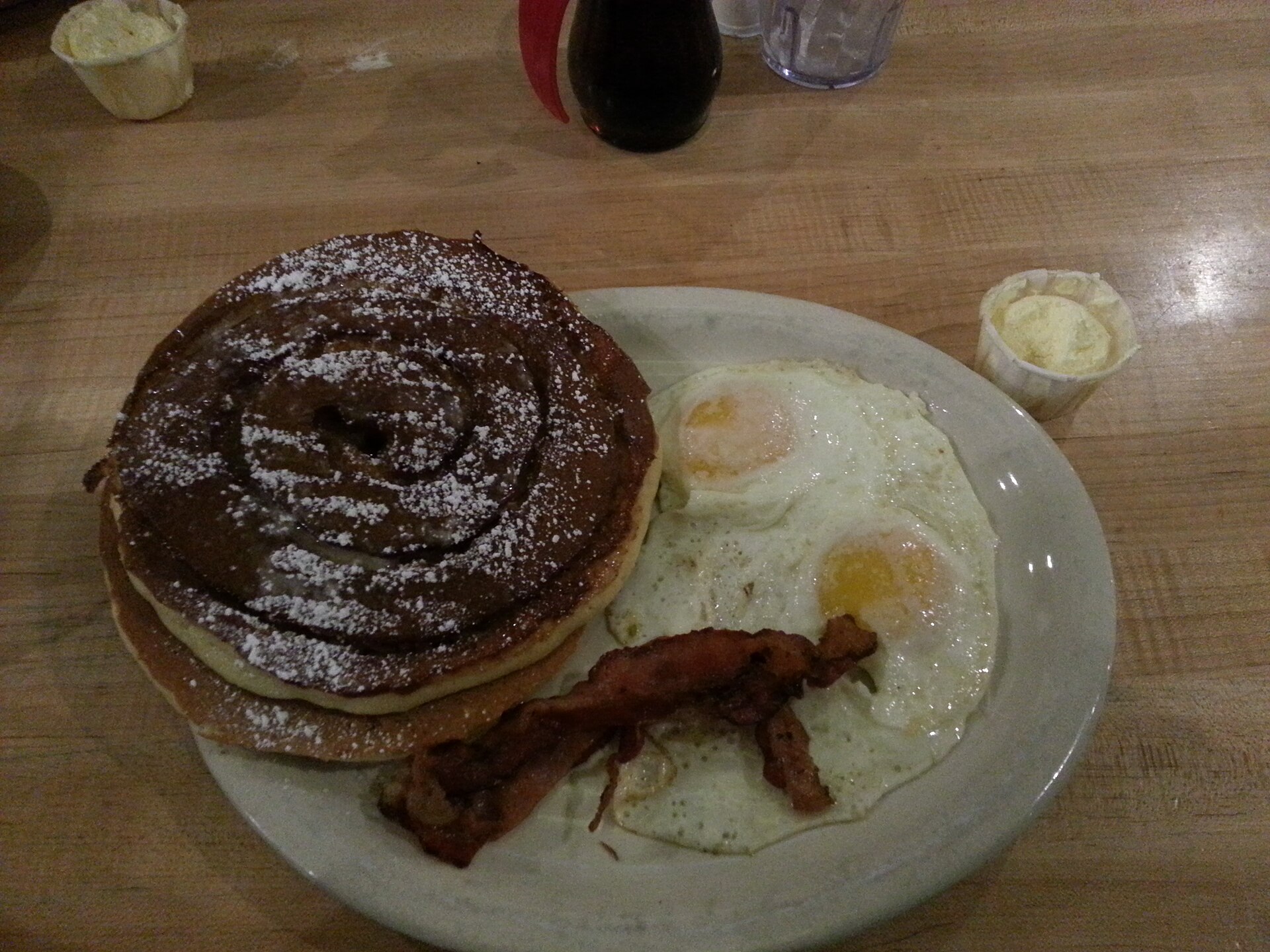
    The name says a lot. For nearly six decades, Jeri’s Jumbos Cafe has been known in Pocatello for one thing above all: big, hearty portions. It is also the Gate City’s longest continuously family-owned restaurant.

    George and Jeri Make It Theirs

    In 1966 George and Jeri Pieper acquired a restaurant called Jumbo’s Cafe and turned it into Jeri’s Jumbos Cafe, East Idaho News reports. The cafe became a breakfast and lunch standby for Pocatello families, workers and travelers.

    Passing It Down

    One of George and Jeri’s children, Lisa, and her husband, Willis, later took over the restaurant. Their daughter, Heidi Hunsaker, managed the business for about nine years before buying it herself in 2024. That makes three generations of the same family behind the counter.

    Growing Without Changing

    Hunsaker has expanded carefully. Jeri’s Jumbos runs the concessions inside the Ross Park Aquatic Complex and has launched a food truck, Jumbo’s Xpress Cafe, on South 5th Avenue. The truck serves a condensed menu that mixes old favorites with new dishes. “The sky’s the limit,” Hunsaker told East Idaho News.

    What to Order

    • The Traveler’s Sandwich. Two hard-cooked eggs, bacon and cheddar on homemade bread, made to go.
    • Chicken fried steak. A diner staple at the Pole Line Road cafe.
    • Loaded fries. A newer favorite at the food truck and Ross Park.

    The menu has grown and the locations have multiplied, but the idea George and Jeri started with in 1966 has not changed: nobody leaves Jumbos hungry.

    Explore more Southeast Idaho stories. And if you run a local business with a story worth telling, apply to be featured. It’s always free.

    Visit Jeri’s Jumbos Cafe

    Where: 3122 Pole Line Road, Pocatello, plus the Jumbo’s Xpress Cafe food truck at 4539 S. 5th Ave., Southeast Idaho
    In the family since: 1966

    This spotlight draws on East Idaho News and the Diner Hunter. Hours change, so confirm before you go. Top photo (illustrative): User:WikiTryHardDieHard, CC BY-SA 3.0, via Wikimedia Commons.
  • Depot Grill: The Twin Falls Diner by the Tracks That Has Fed the Magic Valley for More Than a Century

    Depot Grill: The Twin Falls Diner by the Tracks That Has Fed the Magic Valley for More Than a Century

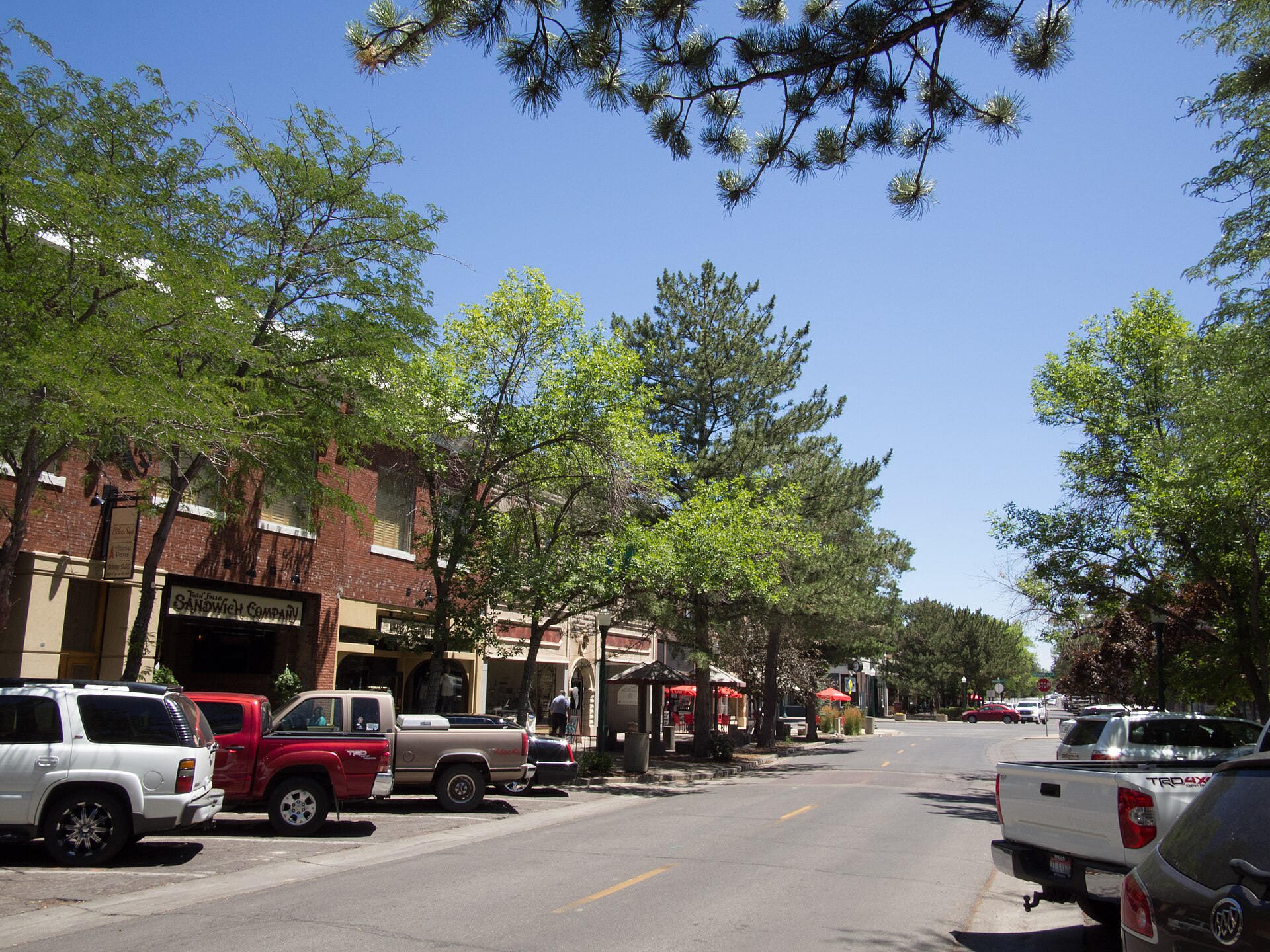
    If you have lived in Twin Falls for any length of time, you have probably had a burger and fries at the Depot Grill. The diner on Shoshone Street, beside the railroad tracks, has been feeding the Magic Valley for more than a century, and for many families it marks milestones the way a church or a school does.

    A Diner That Grew Up With the Town

    Twin Falls was founded in 1904, and the Depot Grill has been part of its story for most of that time. The restaurant celebrated its 100th anniversary in 2017, KLIX reported, and its history runs parallel to the town’s. The current building dates to 1930 and was remodeled in the 1990s.

    For generations the Grill was run by the Soran family. Owner Steve Soran worked in the family business for well over half its history and once marked an anniversary by giving away $1,000 to customers on the radio.

    Breakfast Is the Main Event

    The Depot is known for an enormous breakfast menu, with more than 85 options, and at one point it was serving 35,000 eggs a month. Big eaters can try the Train Wreck, a stack of pancakes that few people finish. The Grill has also been known for long hours, a lifesaver for night-shift workers and travelers.

    Looking for the Next Chapter

    In 2026 the property and business went up for sale, and the asking price has since been reduced to $850,000, KIVI reported in August. The seller hopes to find a buyer who will keep the diner going. As one longtime customer put it, “I hope whoever gets it wants to maintain the way it has been.”

    • Come hungry. Portions match the size of the menu.
    • Take on the Train Wreck. If you dare.
    • Pair it with Shoshone Falls. The “Niagara of the West” is a short drive away.

    Explore more Magic Valley stories. And if you run a local business with a story worth telling, apply to be featured. It’s always free.

    Visit the Depot Grill

    Where: 545 Shoshone St. S., Twin Falls, Magic Valley
    Serving Twin Falls since: about 1917

    This spotlight draws on KLIX News Radio 1310, KIVI, KEZJ, Kool 96.5 and Only In Your State. Because the business is for sale, hours and ownership may change, so confirm before you go. Top photo (illustrative): Tommyers89, CC BY-SA 4.0, via Wikimedia Commons.

  • Buddy’s Italian Restaurant: Pocatello Has Been Getting “Buddy’s Breath” on East Lewis Street Since 1961

    Buddy’s Italian Restaurant: Pocatello Has Been Getting “Buddy’s Breath” on East Lewis Street Since 1961

    In Pocatello, “Buddy’s breath” is a badge of honor. It is the name locals give to the unmistakable garlic that follows you home after a meal at Buddy’s Italian Restaurant, a Gate City landmark since 1961.

    Built for College Kids and Families

    Bill Guido and Buddy Face opened Buddy’s in February 1961 at 626 East Lewis Street, a spot that could draw in college students from nearby Idaho State University as well as families, East Idaho News reported. It has been in the same building ever since, and it is often called one of the oldest Italian restaurants in the state.

    Same Bread, Same Sauce

    Buddy’s bread is made from scratch by Paloukos Bakery, a local bakery that has supplied the restaurant since it opened. The spaghetti sauce is made with three meats: beef, chicken and pork. Ownership has changed over the decades, but the recipes have stayed remarkably consistent. Longtime owner Steve Piper started working there in 1970, and many staff members are veterans of the place.

    Piper’s explanation for the restaurant’s staying power is simple: keep customers happy with good food, in large portions, at affordable prices.

    What to Order

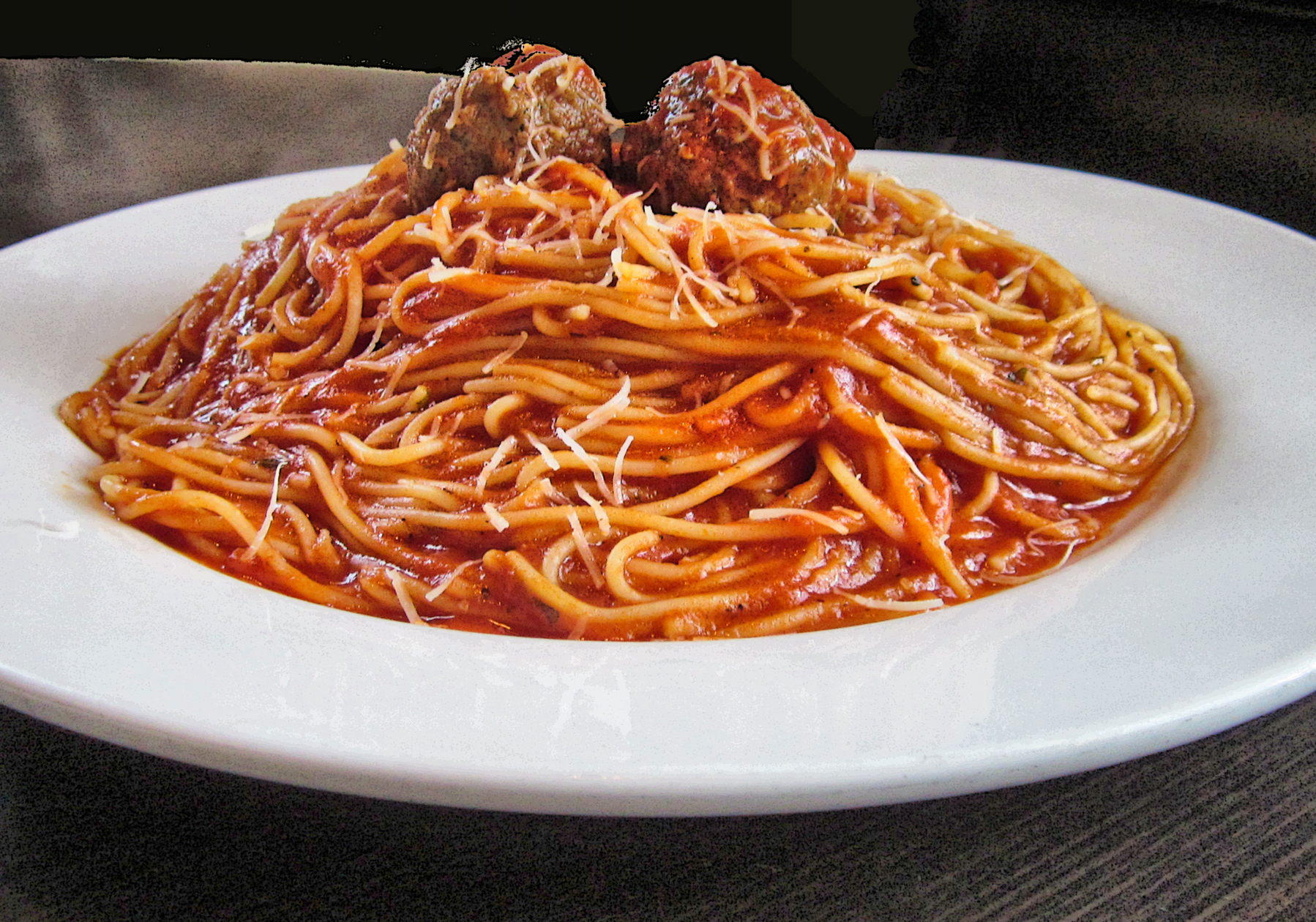
    • Spaghetti and meatballs. The three-meat sauce is the house classic.
    • Garlic bread with cheese. Made with that Paloukos bread.
    • A big sandwich. They come on Buddy’s Italian bread and they are huge.

    After more than six decades, Buddy’s has outlasted plenty of food trends by sticking to what Pocatello already loves. Just do not plan on a meeting right after lunch.

    Explore more Southeast Idaho stories. And if you run a local business with a story worth telling, apply to be featured. It’s always free.

    Visit Buddy’s Italian Restaurant

    Where: 626 E. Lewis St., Pocatello, near Idaho State University, Southeast Idaho
    Open since: February 1961

    This spotlight draws on East Idaho News and Only In Your State. Hours change, so confirm before you go. Top photo (illustrative): D. Laird from Riverside County, USA, CC BY 2.0, via Wikimedia Commons.

  • North Hi-Way Cafe: The Idaho Falls Diner That Started in a 1934 Auto Garage and Never Stopped Cooking

    North Hi-Way Cafe: The Idaho Falls Diner That Started in a 1934 Auto Garage and Never Stopped Cooking

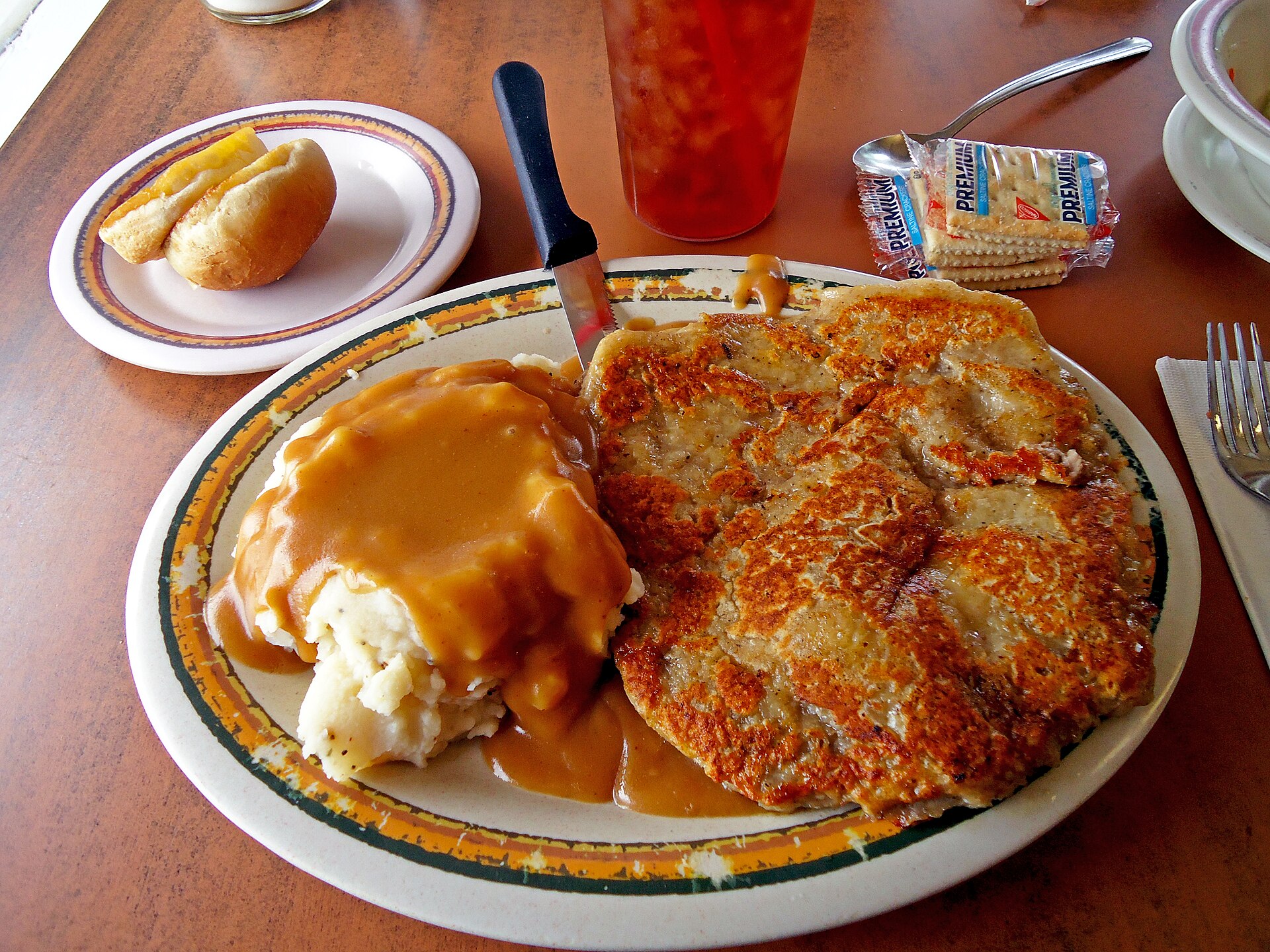
    The motto at North Hi-Way Cafe is “Home Cookin’ When You’re Not Home Cookin’,” and the menu backs it up: chicken fried steak, broasted chicken, liver and onions, homemade pie and a rare beef sandwich that regulars order again and again. The cafe has been serving it on Northgate Mile since 1934.

    Lunch While You Wait

    North Hi-Way did not start as a restaurant. It began inside an auto repair garage, where the owner set up tables so customers could get a bite while their cars, many of them Model As, were being worked on. The food caught on, and over time the garage turned into a full-time eatery.

    Four Families in 90 Years

    Since 1934 the cafe has had four known primary owners, Idaho Falls Magazine reported for its 90th anniversary. Business partners Everett and Edna Morgan and Loren and Louise Schultz ran it until 1952, when Evan and Theo Cropper became sole owners. Roxanne and Wesley Smith ran the cafe for more than two decades and kept the founding recipes. They sold it to Todd and Veronica Holverson, who met, fittingly, at the cafe.

    “We have stood strong through many wars, struggles and triumphs,” Veronica Holverson told the magazine. “We are proud to be a staple of our Idaho Falls community.”

    What to Order

    • The rare beef sandwich. Previous owners said it was the most requested item on the menu.
    • Chicken fried steak. A classic done the old-fashioned way.
    • Pie. Save room, or take a slice home.

    Plenty of cafes have come and gone along Idaho’s highways. This one started as a way to keep waiting customers happy and simply never stopped.

    Explore more Eastern Idaho stories. And if you run a local business with a story worth telling, apply to be featured. It’s always free.

    Visit North Hi-Way Cafe

    Where: 460 Northgate Mile, Idaho Falls, Eastern Idaho
    Open since: 1934
    Known for: Breakfast, home cooking and catering

    This spotlight draws on Idaho Falls Magazine, East Idaho News and Only In Your State. Hours change, so confirm before you go. Top photo (illustrative): Mr. Gray, CC0, via Wikimedia Commons.

  • Grand Teton Brewing: The Brothers Who Brought Back the Growler and Brewed Their Way From Wyoming to Victor, Idaho

    Grand Teton Brewing: The Brothers Who Brought Back the Growler and Brewed Their Way From Wyoming to Victor, Idaho

    Every time a brewery fills a 64-ounce glass growler, it owes a small debt to a brewery that now sits at the base of Teton Pass in Victor, Idaho. Grand Teton Brewing is credited with bringing the growler back after Prohibition, and it has been brewing in the Tetons since 1988.

    Wyoming’s First Modern Microbrewery

    Brothers Charlie and Ernie Otto, of German-Austrian descent, wanted fresh, local, full-flavored beer at a time when that was hard to find in the Rockies. In 1988 they built a small brewhouse in Wilson, Wyoming, and secured the state’s first malt beverage manufacturer’s permit in 35 years. Their Otto Brothers’ Brewing Company was Wyoming’s first modern microbrewery, and its amber Teton Ale went out to local taps in 1989.

    Reinventing the Growler

    With no bottling line, the brothers needed a way to send beer home with customers. Their father told them about the growler, an old lidded pail once used to carry beer home from the tavern. In 1989 Charlie Otto reintroduced the idea as a 64-ounce glass jug, CraftBeer.com recounts. Growlers are now sold at breweries across the country.

    Charlie also spent three years organizing to change Wyoming law so breweries could run pubs, and in 1992 the brothers opened the state’s first brewpub.

    Moving to Idaho

    In 2000 the company changed its name to Grand Teton Brewing and moved its brewery across the state line to Victor, where it could draw on Teton spring water. Ernie Otto died in 2008, and in 2009 Steve and Ellen Furbacher bought the brewery. Its Ale 208 Session Ale is brewed with Idaho barley, Idaho hops and Idaho spring water, a nod to the state’s area code.

    • Fill a growler. It is only fitting at the brewery that brought it back.
    • Try Ale 208. It is brewed to be Idaho’s session ale.
    • Make it a Teton Valley day. Victor and Driggs are full of local shops and trailheads.

    Explore more Eastern Idaho stories. And if you run a local business with a story worth telling, apply to be featured. It’s always free.

    Visit Grand Teton Brewing

    Where: Victor, at the base of Teton Pass in Teton Valley, Eastern Idaho
    Founded: 1988, as Otto Brothers’ Brewing in Wilson, Wyoming
    Taproom hours: grandtetonbrewing.com

    This spotlight draws on Grand Teton Brewing’s published history, Beer Advocate, Explore Big Sky, CraftBeer.com, the Idaho Department of Commerce and Hope College. Hours change, so confirm before you go. Top photo (illustrative): Idahomiller, CC BY-SA 3.0, via Wikimedia Commons.
  • Reed’s Dairy: An Idaho Falls Milk Route From 1955 That Grew Into Idaho’s Favorite Ice Cream

    Reed’s Dairy: An Idaho Falls Milk Route From 1955 That Grew Into Idaho’s Favorite Ice Cream

    In Idaho Falls, a trip to Reed’s Dairy is a summer ritual. Families line up for scoops of rich, small-batch ice cream, and the chocolate milk has a following of its own. It all started with a few cows and a shoebox.

    Milk on the Honor System

    Brothers Larry, LeRoy and Dave Reed started the dairy in 1955. Larry ran the milk business while LeRoy and Dave managed the farming. Early customers paid about 50 cents a gallon on the honor system, dropping their money in a shoebox above the dairy refrigerator, according to a 2023 interview with Alan Reed. In 1962 the family installed its own processing and bottling equipment and opened a store on the farm.

    Ice Cream Grandma Would Like

    The Reeds had been selling their cream to another local ice cream maker. LeRoy’s son Alan kept thinking that was a missed opportunity. “I just kept thinking we need to be making ice cream,” he told KIVI. His grandmother had always made ice cream for family parties, and his goal, he said, was “to make something that grandma would really like.”

    After months of taste tests with family members, Reed’s started making its own ice cream in the early 1980s. It became the company’s most popular product.

    Still Delivering Milk

    Reed’s now has stores in Idaho Falls and Boise, ships ice cream across the country and still runs home milk delivery, the way it started. The business survived a 2024 fire that destroyed a production building and has since rebuilt. Alan Reed, who turned 70 in 2025, runs it with his son Sam, the next generation of the family business.

    • Order a scoop at the source. The Idaho Falls stores serve ice cream made on site.
    • Try the chocolate milk. It has a cult following across eastern Idaho.
    • Look for holiday nog. Eggnog and chocolate nog show up seasonally.

    Explore more Eastern Idaho stories. And if you run a local business with a story worth telling, apply to be featured. It’s always free.

    Visit Reed’s Dairy

    Where: Stores in Idaho Falls and Boise, Eastern Idaho
    Founded: 1955
    Locations and shipping: reedsdairy.com

    This spotlight draws on KIVI, East Idaho News, Idaho Falls Magazine, Capital Press, Saveur and an interview with Alan Reed. Hours change, so confirm before you go. Top photo (illustrative): Unknown, Public domain, via Wikimedia Commons.

  • BookPeople of Moscow: Idaho’s Longest-Running Bookstore Has Been on Main Street Since 1973

    BookPeople of Moscow: Idaho’s Longest-Running Bookstore Has Been on Main Street Since 1973

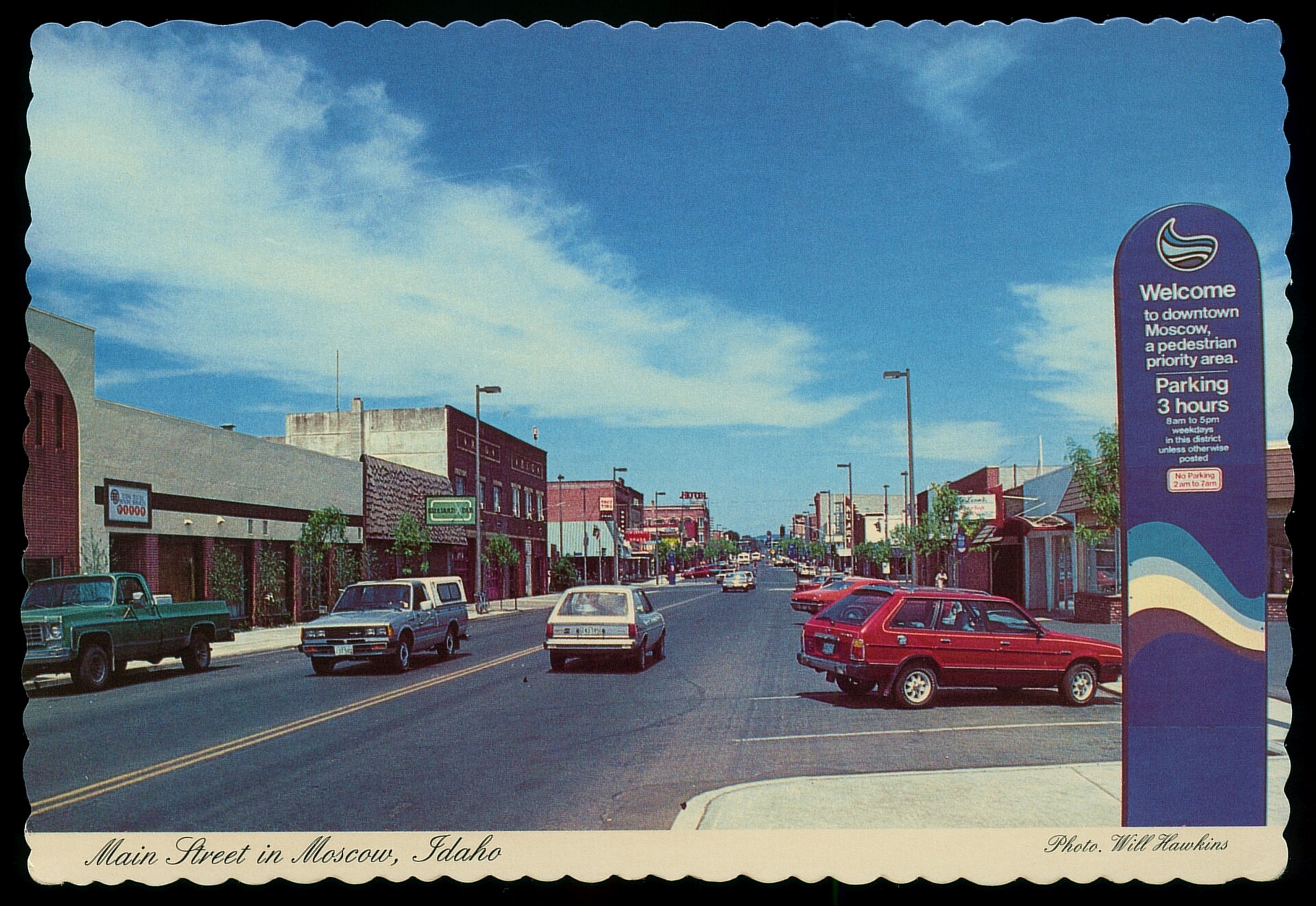
    BookPeople of Moscow is the kind of bookstore college towns are lucky to have: new books for every age, a deep regional section and readings by authors who come through for the University of Idaho’s writing program. It has been on Moscow’s Main Street for more than 50 years.

    A Rocky Opening Day

    Ivar Nelson opened BookPeople on November 19, 1973. Things did not start smoothly. On opening day, the American Booksellers Association recounts, the young owner discovered he had misplaced the key to the shop.

    The store was incorporated in 1977 as a worker-owned cooperative, according to records held in the University of Idaho Library’s special collections. In 1981 Robert Greene bought BookPeople and ran it for three decades, until 2011.

    Saved by New Owners

    When Greene retired, the store was in danger of closing. Carol Price and Steffen Werner bought it at the end of 2011, remodeled it and reopened with a new look. The store later added an employee owner. In 2025 Price sold her share to Katelyn and Bryan Foutch, keeping BookPeople in local hands.

    A Palouse Gathering Place

    With the University of Idaho in town and Washington State University eight miles away, BookPeople has hosted writers including Anthony Doerr and Sherman Alexie. The University of Idaho’s student newspaper calls it the longest continually operating bookstore in the state.

    • Browse the regional shelf. It is one of the best places to find books on Idaho and the Palouse.
    • Check the events calendar. Author readings are frequent during the school year.
    • Pair it with Main Street. Downtown Moscow is full of local shops and cafes.

    Explore more North Idaho stories. And if you run a local business with a story worth telling, apply to be featured. It’s always free.

    Visit BookPeople of Moscow

    Where: Main Street, downtown Moscow, North Idaho
    Founded: November 19, 1973

    This spotlight draws on the American Booksellers Association, Archives West, the University of Idaho Argonaut, Shelf Awareness and NW Book Lovers. Hours change, so confirm before you go. Top photo: Steve Shook from Moscow, Idaho, USA, CC BY 2.0, via Wikimedia Commons.

  • Silverwood: How a Spokane Software Founder, an Old Airfield and a 1915 Steam Train Became Idaho’s Biggest Theme Park

    Silverwood: How a Spokane Software Founder, an Old Airfield and a 1915 Steam Train Became Idaho’s Biggest Theme Park

    By most business logic, North Idaho was the wrong place for a theme park. “The original plan was doomed to fail, really: building a theme park in North Idaho,” founder Gary Norton told The Spokesman-Review. Today Silverwood draws visitors from hundreds of miles away and bills itself as the largest theme and water park in the Northwest.

    An Airfield and an Antique Plane Museum

    The story starts with Clay Henley, who founded the Henley Aerodrome, a private airport and antique plane museum south of Athol, in 1973. Gary Norton, a pilot and plane collector, was drawn to it. After Henley’s death, Norton bought the airfield in 1981.

    Norton had made his money in software. He founded International Systems Corp. in Spokane, which built computer systems for banks, and he used proceeds from selling it to develop the property.

    The Train That Disney Wanted

    At an auction in Reno in 1986, Norton found a Porter steam locomotive built in 1915. He won it in a bidding war with a representative from Disney, then laid more than three miles of track around the property. A train needs a town to run through, so he built a Victorian-style Main Street, too.

    Silverwood opened on June 20, 1988, with the train, pony rides, puppet shows, a movie theater, Norton’s vintage planes and air shows, in which Norton himself sometimes flew loops in a World War II-era P-51 Mustang. About 110,000 people came that first year.

    Still a Family Park

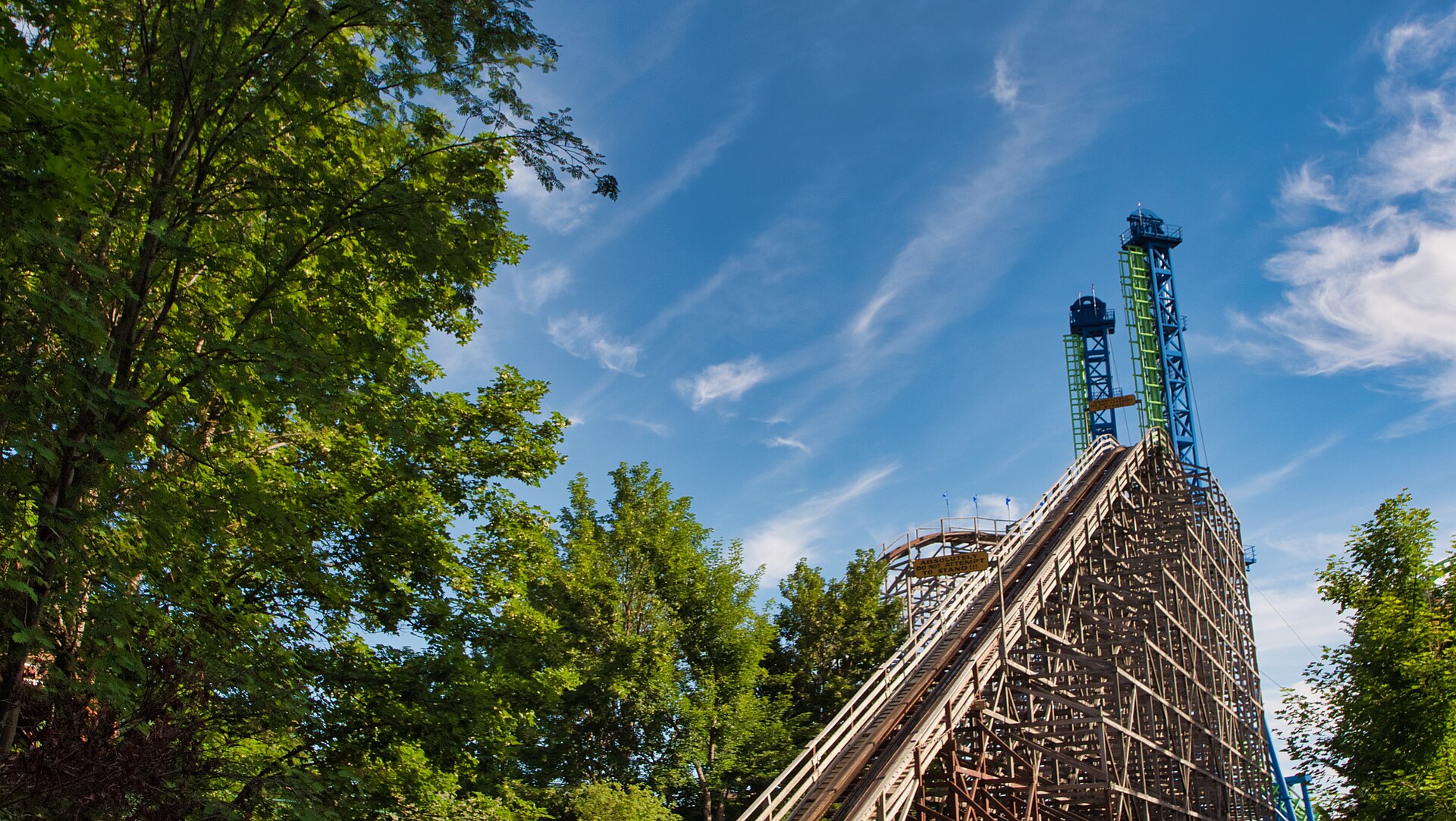
    Roller coasters followed, then the Boulder Beach water park in 2003. The park now covers more than 400 acres with more than 70 rides, slides and shows, and it is the northernmost theme park in the United States. It is still owned by the Norton family, and several of Gary Norton’s children and grandchildren have worked there.

    • Ride the train. Old Engine No. 7 still runs its loop around the park.
    • Pack a swimsuit. The Boulder Beach water park sits right next to the rides.
    • Come back in fall. Silverwood extends its season with a Halloween event.

    Explore more North Idaho stories. And if you run a local business with a story worth telling, apply to be featured. It’s always free.

    Visit Silverwood

    Where: 27843 N. Highway 95, Athol, between Coeur d’Alene and Sandpoint, North Idaho
    Opened: June 20, 1988
    Tickets and season dates: silverwoodthemepark.com

    This spotlight draws on The Spokesman-Review, the Coeur d’Alene Press, the Spokane Journal of Business, IAAPA, Spokane Historical and Silverwood’s own history. Season dates change, so check before you go. Top photo: Jeff Pittman, CC BY-SA 4.0, via Wikimedia Commons.

  • Litehouse Foods: The Blue Cheese Dressing That Started at a Lakeside Restaurant in Hope, Idaho

    Litehouse Foods: The Blue Cheese Dressing That Started at a Lakeside Restaurant in Hope, Idaho

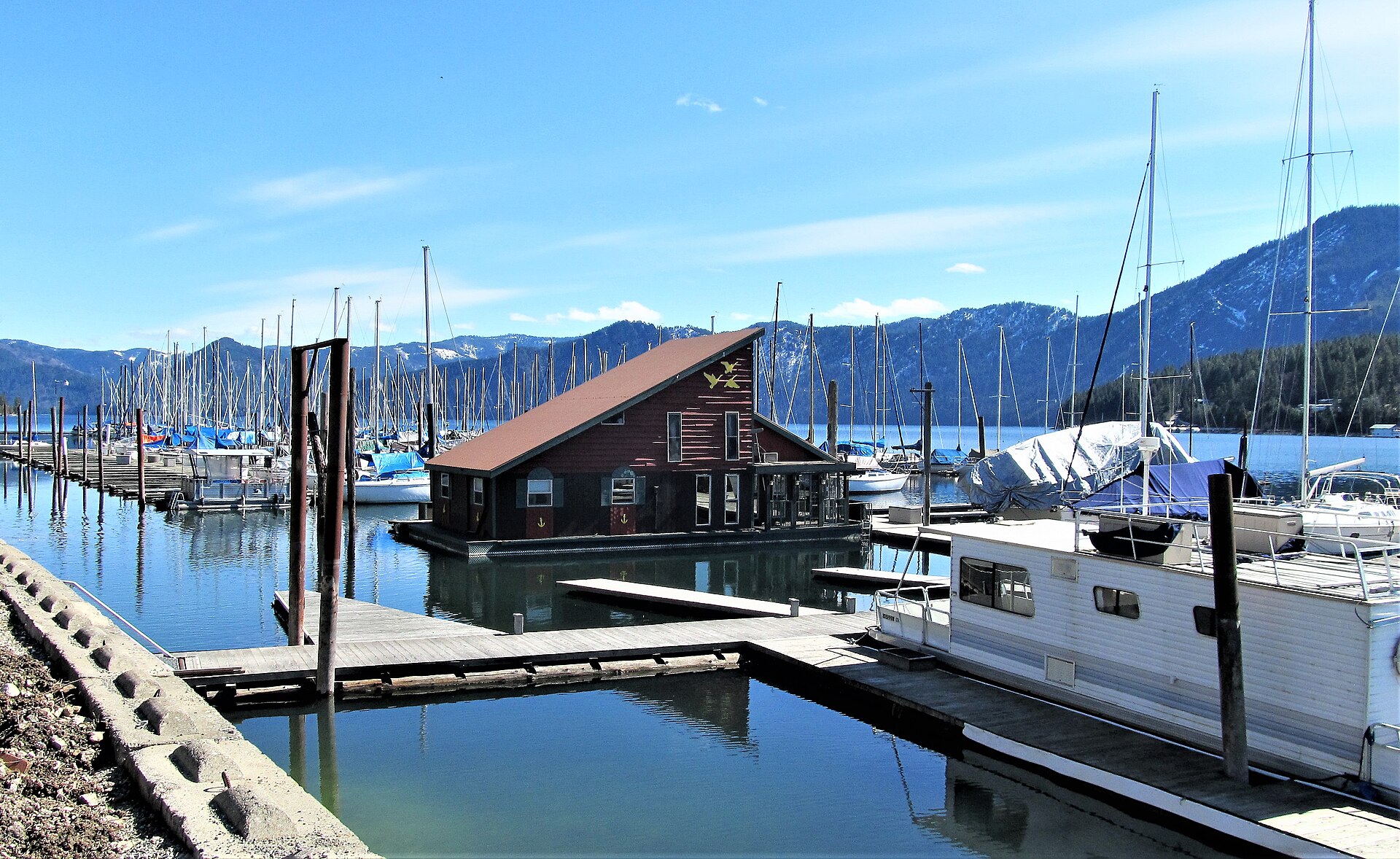
    If you have ever bought a jar of refrigerated blue cheese dressing, there is a good chance it was made in Sandpoint. Litehouse Foods ranks among the biggest names in refrigerated dressing in the country, and its story starts at a small restaurant in Hope, Idaho, a lake town of a couple hundred people.

    A Chef’s Creamier Idea

    After World War II, Edward Hawkins Sr. was cooking in Spokane when he came up with a creamier, chunkier blue cheese dressing made with mayonnaise, spices, crumbled blue cheese and buttermilk. Back then blue cheese dressing was usually thin, closer to a vinaigrette. To his knowledge, the company says, his recipe was the first creamy blue cheese dressing.

    In 1958 Ed and his wife Lorena bought Hurschell’s Lighthouse, a restaurant on the shore of Lake Pend Oreille in Hope, renamed it The Litehouse and served the dressing on every salad.

    Twelve Cases and a Station Wagon

    Customers kept asking to take the dressing home. In 1963, with the family struggling financially, Ed and Lorena scraped together enough to buy 12 cases of jars. They mixed the dressing by hand in soup kettles, and an aunt, Ethel Ashley, designed the label. The first jars went to the produce department of Rogers Thrift in Sandpoint: 89 cents for blue cheese, 79 cents for Thousand Island.

    Staying in Sandpoint

    Ed Sr. died in 1984. His sons, Doug and Edward Jr., had already moved the business to Sandpoint in the late 1970s and grew it across the Northwest and then the country. One of their goals, Edward Jr. told The Spokesman-Review, was to create good, steady, year-round jobs in Sandpoint. In 1997 Litehouse merged with Chadalee Farms of Michigan. The family then began transferring ownership to employees, and since 2015 Litehouse has been 100 percent employee owned.

    • Look for the cheese. Litehouse makes its own blue cheese in Sandpoint.
    • Visit Hope. The lakeside town where it started is a beautiful drive along Pend Oreille.
    • Read the jar. The Sandpoint address is still on the label.

    Explore more North Idaho stories. And if you run a local business with a story worth telling, apply to be featured. It’s always free.

    About Litehouse Foods

    Headquarters: Sandpoint, North Idaho
    Roots: The Litehouse restaurant, Hope, Idaho, 1958; first jars sold in 1963
    Learn more: litehousefoods.com

    This spotlight draws on Litehouse Foods’ published history, The Spokesman-Review, the Spokane Journal of Business, Go Sandpoint Magazine and Cheese Market News. Top photo (illustrative): Tracy Hunter from Spokane, USA, CC BY 2.0, via Wikimedia Commons.

  • Hudson’s Hamburgers: Five Generations, 18 Stools and No Fries in Coeur d’Alene Since 1907

    Hudson’s Hamburgers: Five Generations, 18 Stools and No Fries in Coeur d’Alene Since 1907

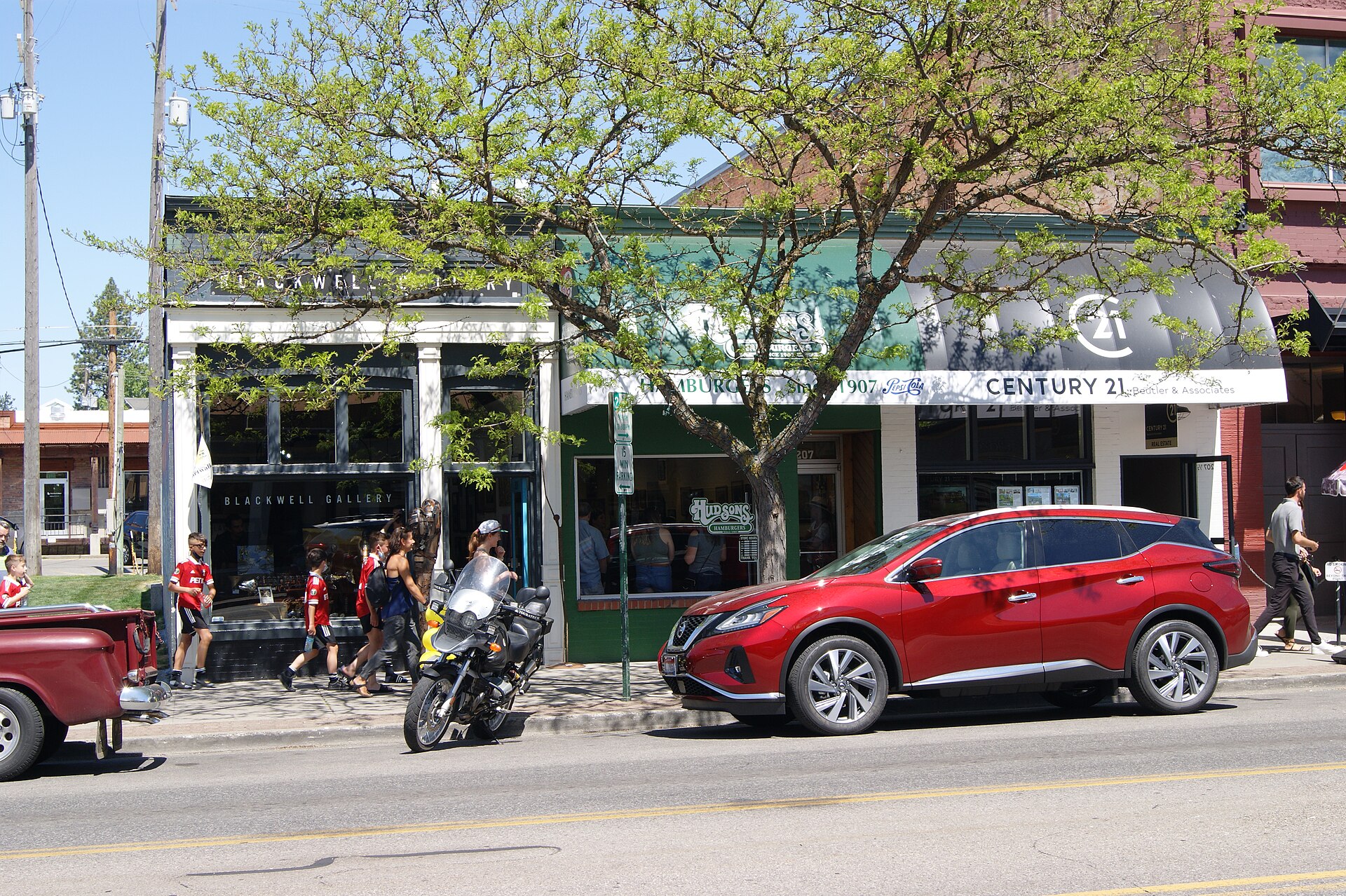
    Walk into Hudson’s Hamburgers and you sit at a counter, elbow to elbow with strangers, and order from a menu short enough to memorize: hamburgers, cheeseburgers and pie. There are no fries. There have never been fries. And people line up anyway, as they have in downtown Coeur d’Alene since 1907.

    A Tent on Sherman Avenue

    Harley Hudson came to Coeur d’Alene in 1905 from Brooklyn, Iowa, and worked in the timber trade before deciding the booming lumber town needed a good basic burger. In 1907 he opened a lunch stand in a white canvas tent at First Street and Sherman Avenue. He called it the Missouri Lunch, after a brother nicknamed Missouri, and sold hamburgers for a dime.

    The name changed to Hudson’s Hamburgers in 1963, but the business has stayed within the same block of Sherman Avenue the whole time, The Spokesman-Review reported.

    The Ketchup Rule

    One Hudson’s tradition dates to the Great Depression. Hungry customers were stirring ketchup into cups of hot water to make free soup, draining the bottles faster than Harley could fill them. It is one of the stories the family still tells about keeping the place going through hard times.

    Five Generations at the Grill

    The grill passed from Harley to his son Howard, then to grandson Roger in 1972, and later to Roger’s sons Todd and Steve. Todd Hudson died in 2017, and Steve Hudson carries on the family business. In 2007 the Idaho Legislature honored the restaurant’s centennial with a proclamation praising its 18-stool counter as “like being with family.”

    • Bring cash. Hudson’s has famously been a cash business.
    • Get a slice of pie. It is the only side dish worth asking about.
    • Grab a stool. The counter is the whole experience, so be ready to wait a few minutes at lunch.

    A national food site once named Hudson’s the most iconic restaurant in Idaho. The family would probably just say they make a good hamburger, and leave it at that.

    Explore more North Idaho stories. And if you run a local business with a story worth telling, apply to be featured. It’s always free.

    Visit Hudson’s Hamburgers

    Where: 207 E. Sherman Ave., downtown Coeur d’Alene, North Idaho
    Founded: 1907

    This spotlight draws on The Spokesman-Review, the Coeur d’Alene Press, Sunset, the Spokane Journal of Business and Rick Just’s Idaho history writing. Hours change, so confirm before you go. Top photo: T85cr1ft19m1n, CC0, via Wikimedia Commons.

  • Ste. Chapelle Winery: How Idaho’s Oldest and Largest Winery Revived a Wine Country Lost to Prohibition

    Ste. Chapelle Winery: How Idaho’s Oldest and Largest Winery Revived a Wine Country Lost to Prohibition

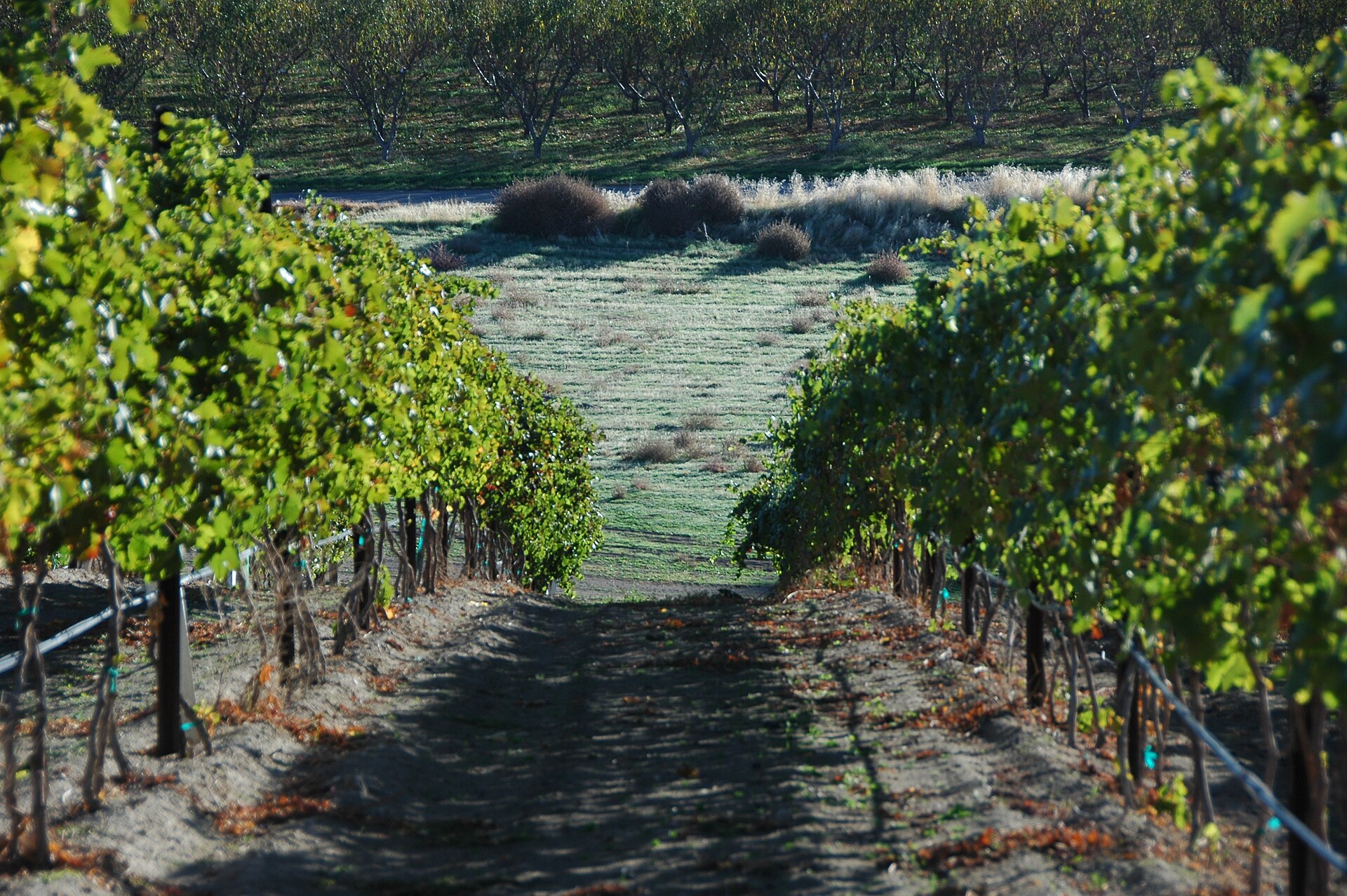
    Drive west of Caldwell to Winery Hill and you can see why people plant grapes here. Below Ste. Chapelle’s chateau, the Sunny Slope area spreads out in orchards, row crops and vineyards, with the Snake River winding through. This is where Idaho’s modern wine industry got its start.

    A Wine Country Before Prohibition

    Idaho was planting wine grapes as early as the 1860s, some of the first vineyards in the Pacific Northwest. Prohibition shut the industry down in 1919, and for decades wine grapes all but disappeared from the state.

    The Symms Family Plants a Seed

    In 1975 the Symms family, longtime southwest Idaho fruit growers, launched Ste. Chapelle in Emmett, about 25 miles northeast of Caldwell, Great Northwest Wine reports. The winery took its name from La Sainte-Chapelle in Paris, the 13th-century royal chapel built by Louis IX, and its chateau on Winery Hill was inspired by it.

    The winery was meant to stay small, but demand grew as the Snake River Valley built its reputation, and Ste. Chapelle quickly outgrew Emmett and moved to its current home west of Caldwell. It became the leading winery in Idaho in both production and sales. In 2012 it joined Precept Wine’s family of Northwest wineries.

    A Hometown Favorite

    Ste. Chapelle is the most visited winery in Idaho and hosts a summer series of open-air concerts on its lawn. Most of the dozens of wineries that have opened in the Snake River Valley since can trace a line back to the industry it helped restart.

    • Go for a summer concert. The lawn events are a Treasure Valley tradition.
    • Book a tasting. The tasting room pours a range of Snake River Valley wines.
    • Make it a wine trail day. The Sunny Slope area has many smaller wineries nearby.

    Explore more Boise and Treasure Valley stories. And if you run a local business with a story worth telling, apply to be featured. It’s always free.

    Visit Ste. Chapelle Winery

    Where: 19348 Lowell Road, Caldwell, on Winery Hill in the Sunny Slope area, Boise and Treasure Valley
    Founded: 1975, in Emmett

    This spotlight draws on Ste. Chapelle’s published heritage, Great Northwest Wine, Wine Folly and KIVI. Hours change, so confirm before you go. Top photo (illustrative): Unknown authorUnknown author or not provided, Public domain, via Wikimedia Commons.

  • Bogus Basin: The Nonprofit Ski Hill Boise Built for Itself in 1942

    Bogus Basin: The Nonprofit Ski Hill Boise Built for Itself in 1942

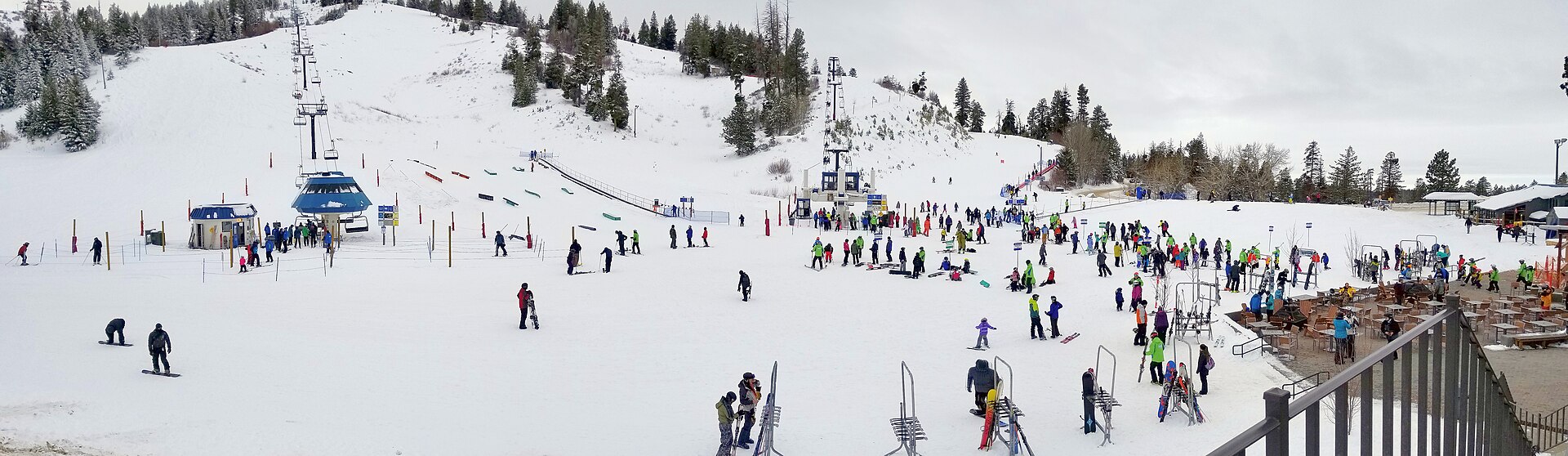
    Most cities with a ski hill this close to downtown would have sold it to a resort company long ago. Boise never did. Bogus Basin, sixteen road miles from the city, has been run as a nonprofit since it opened, and every dollar it makes goes back into the mountain.

    A Name From the Gold Rush

    The basin got its name in the 1860s, when swindlers reportedly used it as a hideout to make fake gold dust. In the late 1930s, inspired partly by the opening of Sun Valley in 1936, Boise skiers started looking for a hill of their own. Alf Engen, the famous ski pioneer, helped pick the site in 1939, working with Boise Ski Club president John Hearne and Forest Service landscape architect Yale Moeller.

    The Civilian Conservation Corps built the Bogus Basin Road in 1938 and 1939, and the nonprofit Bogus Basin Recreational Association was incorporated in 1941. Then came Pearl Harbor, and the opening was put on hold.

    Opening Day in Wartime

    Bogus Basin finally opened on December 20, 1942. About 200 skiers came out that first day, including 50 soldiers from Gowen Field, and many carpooled up the muddy road because of gas rationing, Idaho historian Rick Just writes. The road was not paved until 1962.

    The early years were lean. When the ski area struggled with debt in 1953, J.R. Simplot bought its lifts and improvements and sold them back to the association for one dollar.

    Boise’s Mountain

    Today Bogus Basin offers about 2,600 acres of skiable terrain, night skiing, Nordic trails and summer mountain biking. It is often called the largest nonprofit ski area in the country, and Olympians and Paralympians have called it their home mountain.

    • Ski at night. Bogus is known for its night skiing, a rarity at this scale.
    • Try the Nordic trails. There are miles of groomed cross-country terrain.
    • Come back in summer. Lift-served biking and hiking keep the mountain busy year-round.

    Explore more Boise and Treasure Valley stories. And if you run a local business with a story worth telling, apply to be featured. It’s always free.

    Visit Bogus Basin

    Where: Bogus Basin Road, about 16 miles north of Boise, Boise and Treasure Valley
    Opened: December 20, 1942
    Snow report and tickets: bogusbasin.org

    This spotlight draws on Bogus Basin’s published history, Boise State Public Radio, KTVB, the Living New Deal and Rick Just’s Idaho history writing. Conditions change, so check before you go. Top photo: cifraser1, CC BY 2.0, via Wikimedia Commons.